Counting Everyone Matters
If we’re not counted, then we’re not seen.
By Ebony Emerson –
The 2030 Census determines who is seen, who is counted, and who is represented.
The census is one of the few moments when the country pauses to acknowledge who lives here, who contributes to our communities, and who deserves to be represented. When that count is threatened, people understand that being left out on paper often leads to being left out in real life.
Right now, a proposed rule for the 2030 Census would remove race and ethnicity questions, erase LGBTQ+ identity from the form, and exclude millions of immigrants and low‑income families from the numbers used to determine political representation.
It would rely on tax records to confirm addresses, even though many families who work hard and contribute every day do not file taxes or live in formal housing.
For Black, Brown, immigrant, and LGBTQ+ communities, this is a direct threat to visibility. Race and ethnicity data help enforce civil rights laws, monitor discrimination, and understand disparities in health, housing, and education. LGBTQ+ data help identify where support is needed and where inequities persist.
Counting all residents, regardless of citizenship, ensures that every community receives the resources and representation it is owed. When these numbers disappear, the people behind them disappear too.
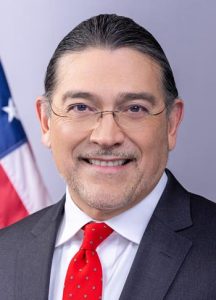
Census Bureau Director Robert Santos has spoken often about what it means when communities are erased from the data. In an interview with The Washington Post, he said, “When people are missing from the data, they are missing from the decisions that affect their lives.” His words capture what many families already know: data is not just information. It is a form of recognition. It is a way of saying, “You belong here, and your needs matter.”
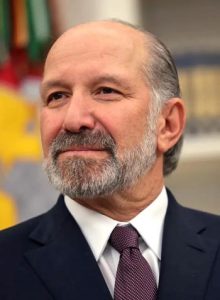
The Census Bureau operates within the Department of Commerce, which is currently led by Secretary Howard Lutnick. As the head of the department, he holds the authority to approve or reject major census rules, including changes to how people are counted and what questions appear on the form.
This structure means that while the Census Bureau’s career statisticians are responsible for protecting the scientific integrity of the count, the final decisions rest with a political appointee whose priorities may differ from the needs of the communities most affected.
This debate is unfolding at a time when the Department of Commerce has been unusually visible in the news. Throughout 2025 and 2026, Commerce has been at the center of major national conversations, from export controls and technology standards to NOAA climate directives and regional economic development programs.
The proposed census rule is part of this broader pattern: high‑impact decisions emerging from a department whose actions shape everything from global trade to local disaster recovery. The census proposal stands out because it touches every community directly.
People deserve to understand what is at stake. This is not about paperwork. It is about whether the country chooses to see all of us. It is about whether families who live, work, worship, and raise children here are recognized as part of America’s story. It is about whether the data used to shape policy reflects the full truth of who we are.
The census has always been a promise: that every person counts. When that promise is broken, the harm crushes those of us who have spent generations fighting to be visible.
Proposed Changes to the 2030 Census
Removal of race and ethnicity questions—Eliminates all race and ethnicity questions, erasing the primary data used to monitor discrimination, enforce civil rights, and understand disparities in health, housing, and education.
Elimination of sexual orientation questions—LGBTQ+ identity would no longer be counted, reducing visibility for communities that already face gaps in health care, safety, and economic support.
Exclusion of undocumented immigrants—Millions of people who live, work, and raise families in the US would be removed from the population used to determine congressional representation.
Exclusion of many lawfully present immigrants—Students, workers, and long‑term residents without permanent status could also be left out of apportionment counts.
Use of tax records to confirm addresses—Only people whose addresses can be verified through tax filings would be counted, leaving out low‑income families, people in informal housing, and those who do not file taxes.
Shift in apportionment rules—Breaks with centuries of constitutional practice by counting only citizens and permanent residents for congressional seats, despite the Constitution’s requirement to count the “whole number of persons.”
Reduction in federal funding accuracy—Undercounts would distort the data used to distribute more than a trillion dollars for schools, hospitals, transportation, nutrition programs, and disaster relief.
Weakening of civil rights enforcement—Without race, ethnicity, and LGBTQ+ data, agencies would struggle to track discrimination or identify where inequities persist.
Color of Change is helping communities speak up during this critical moment. They’ve created a public comment portal where people can share their concerns about the proposed rule. Every comment will be delivered directly to the official federal process.
Their goal is simple and deeply important: to urge the Census Bureau to withdraw the proposal and protect a complete, accurate, and fair 2030 Census. For many families, this is one of the few ways to make sure their voices are heard before decisions are made about who gets counted and who gets left out.
Take action! Go to act.colorofchange.org/letter/stop-the-census-power-grab.
NOTE: The views and opinions expressed here, as well as assertions of facts, are those of the author. They do not necessarily represent the views or opinions of The Urban News.