Culture Fragments™ – Who Gets to Define Asheville’s Culture?
Understanding Asheville’s culture begins with listening to those who sustain it.
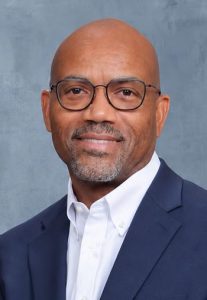
by Otis T. Lindsey, Jr. –
The Culture Fragments series was not born from a plan for four articles. Its inspiration grew organically from a visit to the Rooted in Resilience conference at Asheville’s YMI Cultural Center. The gathering focused on health, wealth, and Black legacy. Walking from the YMI to Junior’s Barbershop on Eagle Street, I began to think about the places where Asheville’s culture is lived and the people who keep it alive.
That visit led me to write about the barbershop, the economic potential of cultural assets, a coalition of the willing, and local ownership. Now the series has brought me to a question that should come before any proposed strategy: Who gets to define Asheville’s culture?
The people who live it, sustain it, and carry it forward should define it together. Residents deserve a central voice because they experience the city’s changes every day. Asheville natives who moved away also belong in the conversation. Some left to pursue education, careers, or creative opportunities they could not find in the city at the time. They can speak both to what Asheville gave them and to what it lacked. These experiences may help explain what would allow more young people to stay, build, or return.
Culture takes shape through traditions, gathering places, creative expression, and local businesses. A visitor may remember mountains and music. A resident may point to a church, a neighborhood, or a family business. Someone who left may recognize an Asheville that rarely appears in its public image. None of these views alone is the whole story.
Who tells that story matters. People featured in a cultural campaign gain visibility. Businesses connected to an event gain access to customers. Decisions about which spaces are preserved affect where traditions can continue. When culture creates economic value, decisions about production and ownership determine who benefits.
These questions are shaping Ashevillianity, an emerging framework connecting Asheville’s cultural identity with community economic development. It asks how the people who sustain that culture can help shape its future and share in the wealth it generates.
Community perspectives should inform the Ashevillianity white paper and any economic strategy that follows. Share this article with someone whose experience of Asheville differs from your own. Ask: What shaped your understanding of the city? What opportunities helped you stay—or led you to leave? What should be protected, and what should the next generation have room to create?
The visit to the YMI gave this series its beginning. Listening across these experiences can help shape what comes next.
Otis T. Lindsey Jr. is the Founder and CEO of LINDEX, LLC, a civic intelligence and community analytics firm focused on measuring community vitality and transforming data into actionable insights. He holds degrees in Economics and Community Economic Development and has spent more than 25 years working in housing, economic development, and community revitalization.
He is the creator of the Vitality Ecosystem Theory (VET) and the Vitality Ecosystem Index (VEI), frameworks designed to help communities measure, mobilize, and transform local assets. Through the Culture Fragments™ series, he explores the people, places, and institutions that shape community identity and opportunity. Visit www.lindex.ai.