Honoring Memory, Confronting Injustice
The 2026 International Day of Remembrance
On March 25, 2026, communities across the world gathered to mark the International Day of Remembrance of the Victims of Slavery and the Transatlantic Slave Trade.
The United Nations General Assembly passed a landmark resolution, led by Ghana and a coalition of African and Caribbean nations, officially declaring the transatlantic trafficking of enslaved Africans “the gravest crime against humanity.” The resolution called for formal apologies, reparations, the return of looted cultural artifacts, and broader reparatory justice to address ongoing anti-Black inequality.
- 123 countries voted yes.
- Three voted no—the United States, Israel, and Argentina.
The day remains one of the United Nations’ most solemn annual observances, a way to honor the millions of African people stolen, trafficked, and enslaved over more than four centuries, and to confront the enduring structures shaped by that violence.
This year’s commemoration carried a particular weight. It unfolded during a global conversation about reparative justice, historical truth, and the responsibilities of nations whose wealth was built on enslavement.
UN Chief’s Remarks
Remarks by António Guterres, Secretary-General of the United Nations, at the 75th plenary meeting of the 80th session of the General Assembly on the International Day of Remembrance of Victims of Slavery and Transatlantic Slave Trade.
The United Nations established March 25 as the official date of remembrance in 2007, with the first observance held in 2008. The choice of date is intentional. March 25, 1807 marks the passage of the Abolition of the Slave Trade Act by the British Parliament, one of the earliest major legislative steps by a European power to outlaw the transatlantic slave trade.
Global Commemorations
This year, speakers emphasized that abolition was not an endpoint but a beginning—a call to dismantle the systems and ideologies that slavery produced.
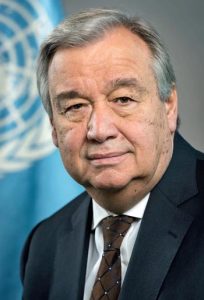
António Guterres, Secretary-General of the United Nation, gave a stark and direct message. He described slavery as a “staggering crime” whose legacies remain visible in global inequalities, racial hierarchies, and the economic structures that continue to disadvantage African nations. He urged member states to reject narratives of racial difference and to take “far bolder actions” toward justice and repair.
In Geneva, the African Union convened during the 61st Session of the UN Human Rights Council. Leaders, diplomats, and advocates focused on reparations, historical truth, and the recognition of slavery as a crime against humanity.
Across the world, museums, schools, and community organizations hosted vigils, exhibitions, and educational programs. Many highlighted the lives of enslaved people not only as victims of atrocity but as carriers of culture, resistance, and world‑shaping knowledge.
Imagining a More Just Future
Reparations represent a crucial and tangible step toward addressing the enduring legacies of slavery and systemic racial injustice. Beyond symbolic gestures, reparations involve concrete actions such as financial compensation, policy reforms, and institutional changes aimed at repairing the harm caused by centuries of exploitation and discrimination.
The call for reparations is grounded in the recognition that the wealth and development of many nations were built on the forced labor and suffering of enslaved people. Reparations seek to acknowledge this historical debt and provide resources to communities still affected by the economic and social disparities rooted in slavery.
Actionable efforts towards reparations include:
Financial compensation: Funds are needed to support education, healthcare, housing, and economic development in communities disproportionately impacted by slavery’s legacy.
Policy reforms: Changes in laws and institutional practices to dismantle systemic racism and promote equity in areas such as criminal justice, education, and employment.
Educational initiatives: Programs that ensure accurate teaching of slavery’s history and its ongoing effects, fostering awareness and empathy.
Community investment: Support for cultural preservation, mental health services, and economic empowerment projects that uplift descendants of enslaved people.
Implementing reparations is not only about rectifying past wrongs but also about building a foundation for a more just and equitable future. This will require political will, public engagement, and sustained commitment from governments, institutions, and society at large.
Transformative Justice
The International Day of Remembrance is not simply a memorial, it is a mirror. It asks the world to look directly at the foundations of modern economies, borders, and institutions. It asks us to see how the past shapes the present.
The scale and brutality of the transatlantic slave trade must be addressed through education that resists revisionism. A commitment to dignity, equality, and shared humanity will assist in addressing historical and ongoing harm.
Actionable efforts, such as reparations, can address historical and ongoing harm while building a foundation for governments, institutions, and society at large to commit to a more just and equitable future.
Proclamations made at the 2026 International Day of Remembrance remind us that there is much work to do to transform remembrance into meaningful, sustained action toward justice and equity.