Pope Apologizes for Catholic Church’s Role in Slavery
Acknowledging a painful history to open the door toward healing today.
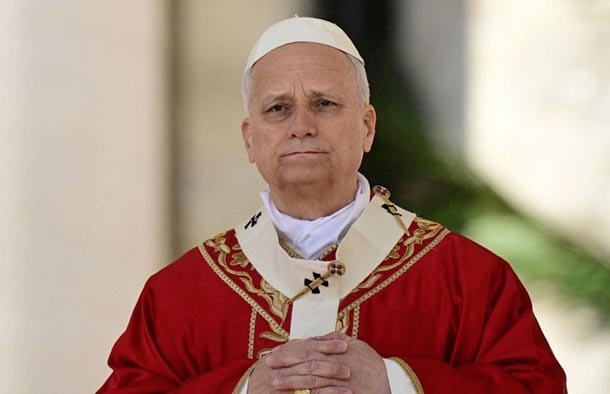
When Pope Francis offered an apology for the Catholic Church’s role in the long, brutal history of slavery, he made history.
His words did not erase the suffering, the stolen lives, or the families torn apart. But they did something important: they named the truth out loud, from the highest seat of a global institution that once helped justify a horrific system that harmed so many.
For communities whose ancestors lived through the terror of enslavement, acknowledgment matters. It is not a solution, and it is not justice on its own. But it is a step toward honesty, and honesty is the ground where healing can finally take root. The Pope’s apology recognized that the Church, like many powerful institutions, shaped the world in ways that still echo through neighborhoods, schools, and family histories today.
This moment also invites us to reflect on how the past lives inside the present. Slavery was not only a set of laws or economic systems. It was a worldwide practice, one that declared us as less human than others. The Church’s involvement helped give that worldview moral legitimacy, and the harm did not end when the chains came off. It was carried forward through segregation, discrimination, and the daily inequalities that still shape life for Black communities around the world.
By speaking plainly about this history, the Pope opened a door for deeper conversations about repair. Not symbolic gestures, but real commitments: listening to descendants, supporting communities still living with the consequences, and challenging the structures that continue to benefit from old injustices. Apologies matter most when they lead to action.
For many people of faith, this apology may bring relief, sorrow, anger, or even skepticism. All of those feelings are valid. Healing is not a straight line, and trust cannot be gained with a single statement. But naming the truth is a beginning, and beginnings have power.
What happens next will depend on whether institutions, communities, and individuals choose to carry this moment forward. The apology is not the end of the story. It is an invitation to write a new chapter, one based in dignity, accountability, and the shared belief that every human being carries equal worth.
Pope Leo XIV’s historic apology for Vatican’s role in legitimizing slavery.
Pope Leo XIV made a historic apology on Monday, May 25, 2026 for the Church’s role in legitimizing slavery and for having failed to condemn it for centuries, calling the Vatican’s record a “wound in Christian memory.”