Building Resilience in Western North Carolina
Connection, healing, and the power of simple tools.
In western North Carolina, where communities are still recovering from the long tail of the pandemic and the devastation of Hurricane Helene, one Asheville-based organization has become a steady anchor for people learning how to breathe again.
Resources for Resilience, a 501(c)(3) nonprofit founded in 2017, has built its mission on a transformative truth: resilience isn’t a personality trait—it’s a practice.
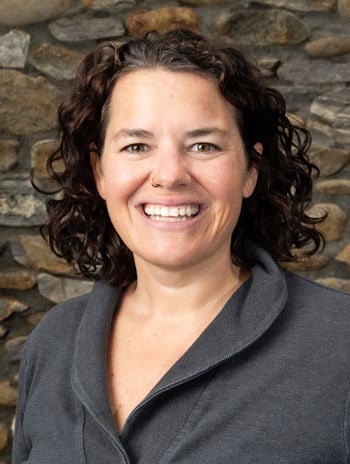
For Program Coordinator and trainer Katherine Gutschenritter, that practice is deeply personal. “I love being able to support both the people delivering this work and the communities receiving it. It feels meaningful, practical, and deeply human,” she shared.
Gutschenritter, who now calls Asheville home, describes the region as a place where belonging comes naturally. “There is something about this community that brings a deep sense of belonging, of being seen and heard,” she said, an experience that mirrors the organization’s core belief that connection is essential to resilience.
A Community Responding to Crisis, Together
After Hurricane Helene, that belief was put into action. With electricity, internet, and phone service down for days, neighbors walked door to door, checking on one another. “Neighbors who barely knew each other became sources of support,” Gutschenritter recalled.
Resources for Resilience stepped in with weekly programming designed specifically for storm-impacted residents. In partnership with Vaya Health and the North Carolina Department of Health and Human Services, the organization offered Listening Circles, “Reconnecting Through Hard Times,” and monthly “Reconnect for Better Days” workshops—meeting people exactly where they were: overwhelmed, grieving, hopeful, or simply trying to get through the day.
In 2025 alone, the organization delivered more than 650 hours of trauma-informed programming, reaching nearly 6,000 residents, professionals, and volunteers across 25 counties.
Tools That Work in Real Time
At the heart of the organization’s work is a set of simple, evidence-informed practices that help people calm their nervous systems during moments of stress. These “rapid reset” tools—grounding exercises, breathwork, sensory awareness—are intentionally accessible.
Gutschenritter experienced their impact firsthand. “The training helped me better understand my nervous system and why stress was showing up the way it was,” she said. “What stood out was how accessible and grounding the tools felt. They weren’t overwhelming or prescriptive.”
Educators now use these strategies in classrooms. Social workers rely on them to prevent burnout. Veterans’ organizations report renewed purpose and connection among staff. The brilliance of the model lies in its simplicity: anyone can learn these tools, and anyone can teach them to others.
Resilience as Connection
Gutschenritter’s experience reflects a broader truth embedded in the organization’s mission: resilience is relational. “As humans, there is an innate need for belonging and connection that exists in all of us,” she explained. Even small moments—eye contact, a smile, a familiar face—help regulate the nervous system and create safety.
This understanding reshaped her definition of resilience. “Before this work, I thought resilience meant bouncing back after something hard. Now, I see resilience as the ability to adapt while staying connected.”
Resources for Resilience was originally formed in response to the public health crisis of childhood adversity, but its work now spans all ages and experiences. Their programs help individuals recover from hardship while also preventing future adversity by strengthening emotional literacy and community bonds.
“When communities understand how stress affects the brain and body, they can respond with compassion rather than judgment, connection rather than isolation,” the organization teaches.
A Region Rebuilding With Brilliance
As western North Carolina rebuilds—physically, emotionally, and economically—the message feels urgent. Resilience is not about “toughing it out.” It’s about learning to reset, reconnect, and reach for support. It’s about neighbors showing up for one another, teachers helping students regulate big feelings, volunteers holding space for grief and growth, and families learning new ways to communicate.
And for Gutschenritter, the hope is simple: “If I could wish for anything, it would be that every single human could receive Resources for Resilience training.”
How to Get Involved
Resources for Resilience offers virtual and in-person workshops throughout the month, many of them free. They also partner with organizations seeking private training for staff or community groups.
For more information or to register for upcoming events, visit resourcesforresilience.org.