The Black Papers Maps a Vision for Collective Progress
Policy ideas rooted in community experience and action.
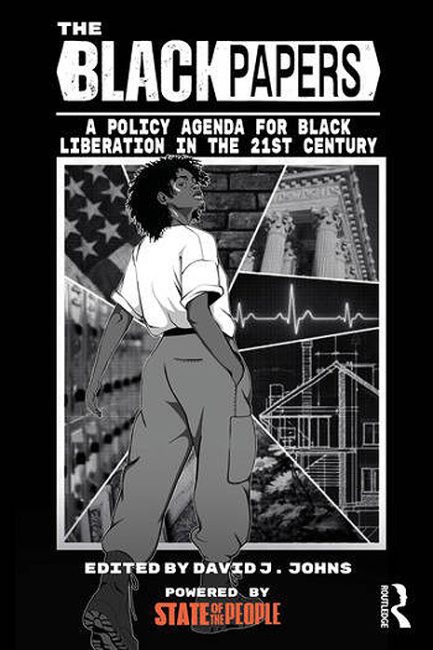 Edited by David J. Johns, The Black Papers: A Policy Agenda for Black Liberation in the 21st Century presents an ambitious effort to bring together research, advocacy, and community experience into a single vision for Black progress in America.
The volume was developed through the State of the People movement and includes contributions from more than 100 scholars, policymakers, organizers, artists, and advocates. It covers topics ranging from voting rights and economic opportunity to health, education, environmental justice, criminal justice reform, and reparations.
What makes The Black Papers stand out is its sense of scale. The book contains 26 policy briefs that move beyond identifying problems and focus on possible solutions. Rather than treating Black communities as subjects to be studied, the contributors approach Black people as thinkers, leaders, workers, parents, students, creators, and citizens whose experiences offer valuable guidance for shaping public policy.
The collection also places itself within a longer history of Black political organizing, drawing connections to the Niagara Movement of 1905, the National Black Political Convention held in Gary, Indiana, in 1972, and other efforts to build lasting political power and community self-determination. This historical grounding reminds readers that today’s challenges did not appear overnight and that many of the ideas being discussed build upon generations of work.
One of the book’s greatest strengths is its accessibility. Public policy books can sometimes feel distant from everyday life, but The Black Papers aims to connect policy decisions with real experiences in neighborhoods, schools, workplaces, places of worship, and community organizations. The result is a book that will likely appeal not only to elected officials and advocates, but also to readers who want a deeper understanding of how government decisions affect families and communities.
The value of this collection is not simply in the proposals it presents. Its deeper contribution is the invitation to imagine what becomes possible when Black communities help shape the policies that affect their lives. The book recognizes both the challenges facing Black America and the creativity, resilience, and leadership that already exist within our communities.
Because the book is newly published, many of its recommendations have not yet been tested or implemented on a broad scale. Readers may agree with some proposals and question others. That is part of the value of the collection. It encourages discussion, engagement, and participation rather than passive observation.
The Black Papers is ultimately a book about possibility. It offers a detailed look at what Black liberation could mean in practical terms and challenges readers to think seriously about the future we are building together. For anyone interested in public policy, community empowerment, and the ongoing pursuit of equity and opportunity, it is a timely and thought-provoking read.