Celebrating Juneteenth 2026
Juneteenth marks June 19, 1865, the day when Union troops arrived in Galveston, Texas and announced that more than 250,000 enslaved Black Americans were finally free—more than two years after the Emancipation Proclamation.
That delayed freedom is part of what gives Juneteenth its power: it is a reminder that justice is not automatic, and that liberation often comes through struggle, resilience, and community action.
Juneteenth is a time to honor the ancestors who endured and resisted slavery, to celebrate the cultural strength of Black communities, and to recommit ourselves to the ongoing work of equality. It is both a day of remembrance and a day of joy—filled with music, food, history, family, and the shared belief that freedom must be protected and expanded for everyone.
Explore the stories, schedules, reflections, and community voices connected to this year’s celebrations.

2026 MLK Association Juneteenth Events
Celebrate, remember, observe, and honor the feelings of hope and progress Juneteenth inspires.
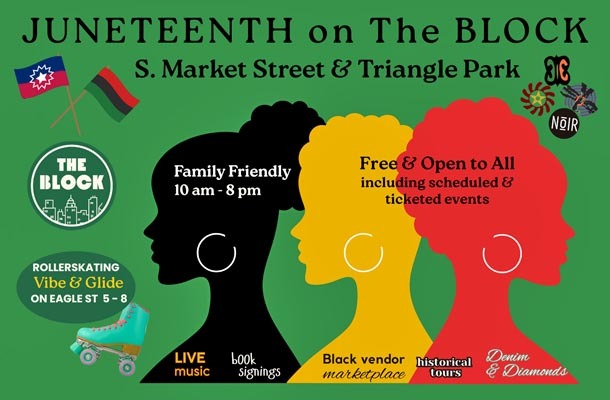
YMI Cultural Center: June 2026
Juneteenth on the Block; Denim & Diamonds; Ujamaa Marketplace; Black Experience Book Club; and an Art Exhibition Celebrating Juneteenth!
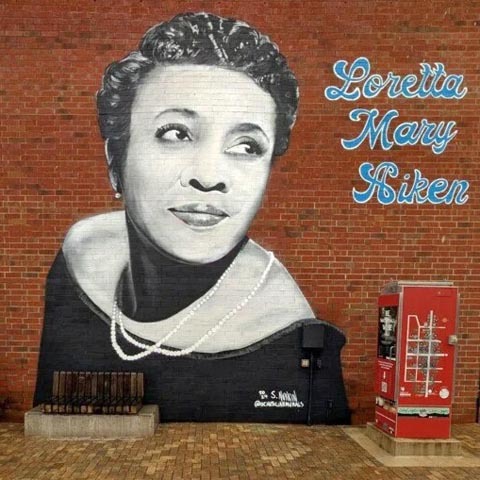
Mary C. Jenkins Community & Cultural Center Hosts 2026 Juneteenth Celebration
A weekend of freedom, history, and community.
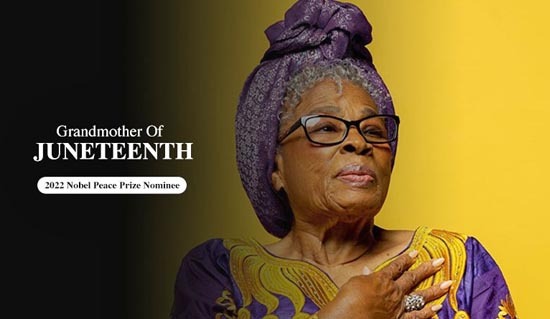
Walk with Opal Lee in a Show of Unity for Freedom
Commemorate and celebrate the 5th anniversary of Juneteenth becoming a federal holiday.
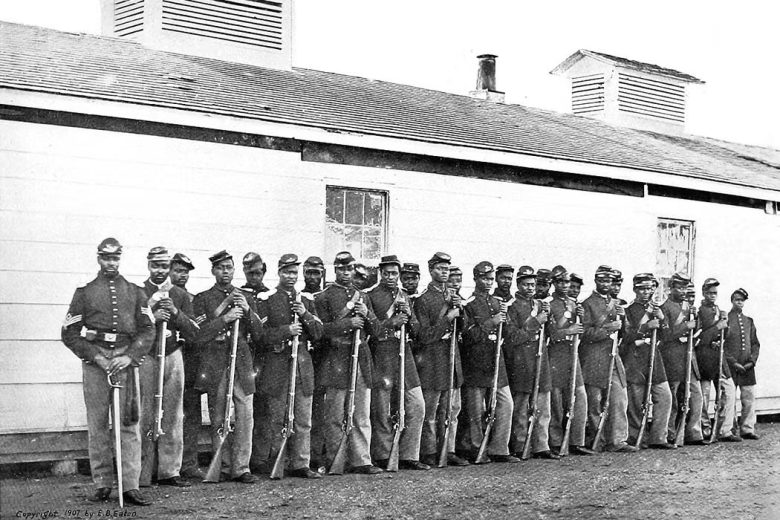
Soldiers of Freedom
North Carolina’s Black troops claim their place in history.
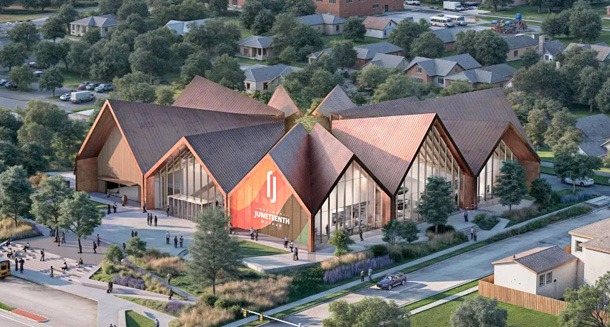
A Home for Our Story of Freedom
The National Juneteenth Museum is not yet standing, but its presence is already felt.
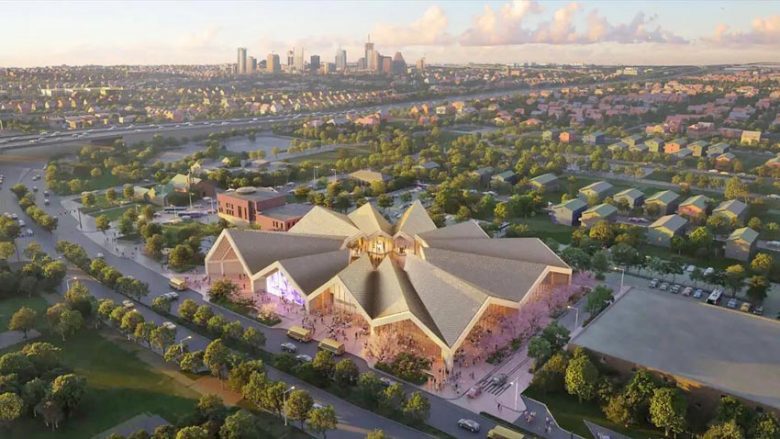
Plans Move Forward for the National Juneteenth Museum
Officials overseeing the project aim for it to open in time for the holiday in 2024. The museum, which will be located at the corner of…

Freedom Songs
Listen to this collection of exclusively commissioned new songs from Black creatives.
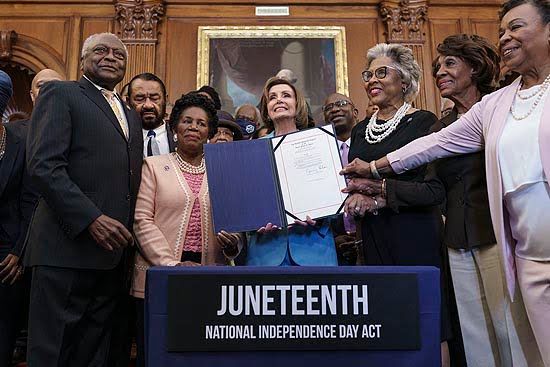
Bill Passes Making Juneteenth a National Holiday
On Thursday, June 17, 2021, President Joe Biden signed a law declaring Juneteenth a national holiday. Juneteenth, which has been celebrated by Black Americans for generations,…

On Juneteenth
Annette Gordon-Reed’s book shares the history of Juneteenth and the hardships African Americans have endured.

Governor Cooper Proclaims Juneteenth in North Carolina
Video champions racial equity and reminds us to continue working for a better future.
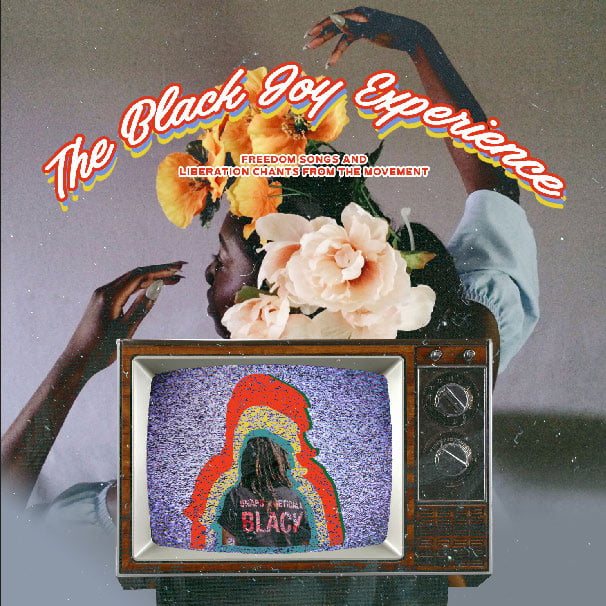
The Black Joy Experience Playlist
Juneteenth is the oldest commemoration of the “ending of slavery” in the United States. Across centuries, Black people in the U.S. have fought for and built…

Why Celebrate Juneteenth?
The NC African American Heritage Commission Explores Juneteenth
In 2007 North Carolina became the 26th state to recognize Juneteenth as a state holiday. The NC African American Heritage Commission has created several pages honoring the celebration of Juneteenth, a national holiday that commemorates the emancipation of enslaved African Americans throughout the former Confederacy.
Emancipation celebrations in North Carolina began occurring as early as January 1, 1864. Some of our state’s earliest Juneteenth festivals were established in Rocky Mount, Charlotte, Winston-Salem, and Greensboro. Stagville State Historic Site also has a long tradition of honoring and celebrating Emancipation.
Take a moment to explore how liberation and emancipation played out in our local communities; and to honor the rich communities and institutions that were created as a result — like Shaw University (Raleigh), Princeville, and St. Peter. A.M.E. Zion Church.
African Americans also created new lives in freedmen’s communities like Hotel de Afrique and Roanoke Island Freedman’s Colony on the Outer Banks, James City in New Bern.
Learn about the lives of NC Black freedom seekers: abolitionist Abraham Galloway, Harriet Jacobs, the author of Incidents in the Life of a Slave Girl, and David Walker, a business leader and activist. Go to aahc.nc.gov/programs/juneteenth/voices-liberation.
Visit the NC African American Heritage Commission website for stories, videos, and more to help you learn more about the Juneteenth holiday. Go to www.ncdcr.gov/Juneteenth