Black Vote Definitely Collapsed in Midterms
By Cash Michaels –
Now that the midterm elections are certified and in the history books, we know for certain that, despite a promising early vote total, the Black vote performed poorly.
Previous analysis depended on a look at several key counties, especially those with high Black voter populations. What was known prior to the certification was that turnout was down to 51%, compared to 53% in the 2018 midterms.
We also know the following about the 2022 election:
- More than 3.7 million North Carolinians voted in the midterms
- Whites had a higher turnout (58.3%) than in 2018 (56.2%)
- Blacks had a lower turnout (41.9%) than in 2018 (48.4%)
- Durham, Wake, Guilford, Mecklenburg, Cumberland, Forsyth, and Pitt counties have the highest number of registered Black voters—but also all saw dramatically poor black voter turnouts
- Youth turnout was lower in 2018 than in 2022
- Republicans 2022 turnout was higher than that of Democrats
So What Does This All Mean?
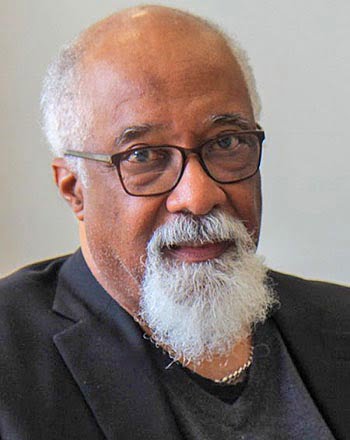
Irving Joyner, law professor and Charles Hamilton Houston Endowed Chair at NC Central University School of Law, took a look at the numbers for the 2022 midterm election turnout, and saw the following.
“The past election cycle presented distressing outcomes for African Americans in North Carolina,” Prof. Joyner said. “Based on the numbers, it appears that in many traditional African American communities, voter participation decreased, and this inaction negatively impacted the races of Cheri Beasley and other African American candidates.”
“The numbers are not definitive in that for over 640,000 voters, their race identities have not been determined,” Joyner continued. “Nevertheless, for the most part, votes from the traditional African American communities were down and disappointing. These disappointing results certainly impacted those African American statewide candidates who sought election to the US Senate and the Court of Appeals, but were not responsible for their losses. These statewide losses resulted from the failure to create an urgency on the part of other voters who did not participate in this election cycle.”
Prof. Joyner did see a handful of positive Black voting outcomes.
“There were bright points in the voter participation where African American voters in several urban areas met or exceeded their expectations and resulted in the historic election of three African Americans in congressional races. In these races, the African American voter turnout was robust, but in most Down-East communities, the voter participation was truly disappointing.”
Three Congressional races had Democratic winners: Don Davis in the 1st Congressional District, succeeding outgoing veteran Congressman G. K. Butterfield; Valerie Foushee in the 4th District, succeeding outgoing Rep. David Price; and Wiley Nickel in the 13th District, defeating Trump-backed Republican Bo Hines.
Still, Prof. Joyner says, reasons why the Black vote was depressed during the midterms remain a mystery. “Clearly, African Americans were not highly motivated to turnout for the statewide races. It is not clear why there was this result given the massive, televised attention that was given to the candidates and issues which were presented to the public.”
“Moving forward,” Prof. Joyner concluded, “… we are still studying the turnout data in order to be more specific as to “why” we had these results and what is needed to reverse what we pray is not a trend.”