Chickenpox Returns to Buncombe County
Recognize the symptoms, and ensure family members are protected.

Buncombe County Health and Human Services is reporting an increase in varicella (chickenpox) among children, with cases appearing in infants through teenagers.
Chickenpox spreads easily, and in communities with low vaccination rates—including some schools in the county—a single case can quickly grow into an outbreak. Health officials urge residents to review how chickenpox spreads, recognize its symptoms, and ensure family members are protected. Early detection, prompt isolation, and vaccination remain the most effective tools for preventing further transmission.
About Chickenpox
Chickenpox is a highly contagious viral illness that passes from person to person through respiratory droplets from coughing or sneezing, as well as through contact with fluid from chickenpox blisters. While often mild, the illness frequently causes children and their caregivers to miss school and work.
Serious complications may include bacterial skin infections, bloodstream infections, pneumonia, encephalitis, and, in rare cases, death. Anyone who has never had chickenpox or the chickenpox vaccine can become infected. Fully vaccinated individuals or those previously infected may still get a milder form of the disease if re-exposed. People who have had chickenpox are also at risk for shingles later in life, which can cause chronic pain.
Certain groups face higher risk for complications, including infants under one year of age, adolescents, pregnant women, and people with weakened immune systems. Even healthy individuals can develop severe outcomes.
Symptoms
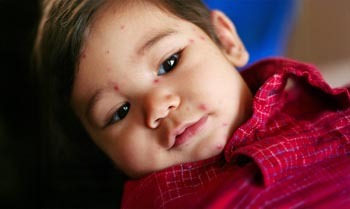
The most recognizable sign of chickenpox is a rash that develops into itchy, fluid-filled blisters before scabbing over. The rash often begins on the chest, back, and face, then spreads across the body. Some cases can involve up to 500 blisters. Symptoms typically appear 10–21 days after exposure. A person becomes contagious one to two days before the rash appears and remains contagious until all blisters have scabbed, usually about a week.
Treatment
Most healthy children recover with basic home care, including rest, fluids, and fever control. Those at higher risk for severe illness may require additional evaluation or treatment from a healthcare provider.
Prevention
Vaccination is the best defense against chickenpox. The American Academy of Pediatrics recommends children receive their first dose of the chickenpox vaccine at 1 year of age and a second dose between ages 4 and 6. The vaccination also protects against future illness.
Dr. Jennifer Mullendore, Buncombe County Medical Director, emphasizes the importance of immunization. “As a parent, I want to do everything I can to protect my child from harm both now and in the future. Vaccination against chickenpox and other infections is one of the most effective ways we have as parents to protect our children and help them thrive. It also is a way for each of us to protect the more vulnerable members of our communities—babies, pregnant people, and those with weakened immune systems.”
The county’s Public Health Department encourages families to keep children up to date on immunizations through their healthcare provider or the Buncombe County Health and Human Services Immunization Clinic at 40 Coxe Avenue in Asheville. The clinic can be reached at (828) 250-5096 for vaccine questions or appointments.
What to Do if You Suspect Chickenpox
Anyone who develops symptoms such as rash and fever should contact their healthcare provider for evaluation. This is especially important amid rising measles cases across the US, including recent cases in nearby upstate South Carolina. To prevent further spread, call ahead before visiting any healthcare facility if you or your child has a rash and fever.
Individuals with chickenpox should remain home and avoid those at higher risk of severe illness until all sores have crusted over and they are feeling better.