When Repairing NC 12 is No Longer Enough
Outer Banks highway highlights growing costs of climate risks.
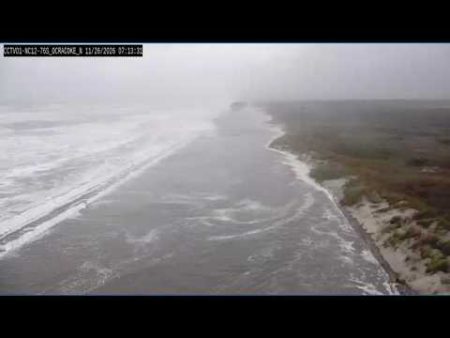
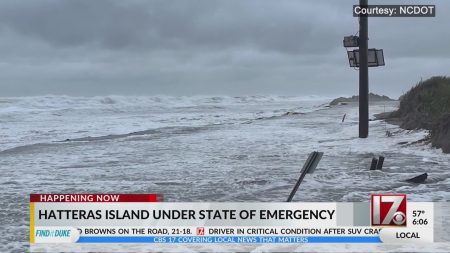
When a coastal storm damaged a section of NC 12 in September 2026, residents of the Outer Banks saw a familiar problem return.
The highway, which serves as a vital link between island communities, once again suffered damage from powerful weather and ocean overwash.
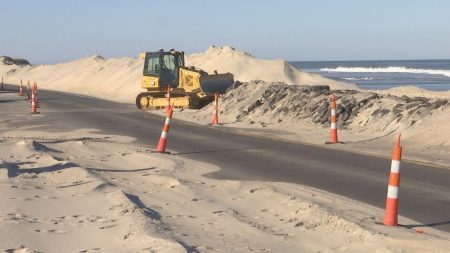
What made this incident stand out was how recently the same stretch had been repaired. After a late-September nor’easter buckled part of the roadway, transportation crews completed approximately $1.7 million in repairs. Within weeks, another storm damaged the same area.
For the communities that depend on the highway, NC 12 is far more than a road. It connects residents to jobs, schools, medical care, emergency services, and essential supplies. It also supports the tourism economy that many coastal businesses rely upon. When the road closes, entire communities feel the impact.
The repeated damage raises a larger question about the future of coastal infrastructure. North Carolina has long repaired roads, bridges, and protective dunes after storms. Those efforts restore access and help communities recover. Yet rebuilding becomes more complicated when the same locations face repeated flooding, erosion, and storm impacts in a relatively short period of time.
Outer Banks highway costs millions in repairs
A nor’easter in late September buckled the pavement on NC-12, leading to a $1.7 million repair. Then weeks later, another nor’easter destroyed the same spot.
Scientists and coastal planners have warned that rising seas, stronger coastal storms, and ongoing shoreline erosion are placing increasing pressure on infrastructure across the Atlantic coast. Roads built decades ago were designed for conditions that are changing. Communities now face difficult decisions about where to invest, how to protect vulnerable infrastructure, and what strategies can provide lasting resilience.
The story of NC 12 is not simply about one damaged roadway. It is about the growing challenge of maintaining critical public infrastructure in places where storms are becoming more disruptive and the costs of repeated repairs continue to rise.
North Carolina repaired the damaged section because communities depend on it. The larger question is whether rebuilding after each storm will be enough. As weather extremes and coastal erosion continue to reshape the landscape, state and local leaders may need to consider not only how to repair vulnerable infrastructure, but how to adapt it for the conditions ahead.