Storm Brings Coastal Flooding
North Carolinians watch the coast and wonder what comes next.
When we hear the phrase “coastal flooding,” it sounds routine.
It is one of those weather terms that appears in forecasts, scrolls across television screens, and disappears a few days later when the water recedes. Yet the scenes emerging from yesterday’s Thanksgiving’s storm tell a far different story.
Videos and photographs from communities along the East Coast showed streets transformed into waterways. Cars sat in parking lots with water reaching their windows. Emergency vehicles moved through flooded neighborhoods where residents could no longer drive. In some areas, roads disappeared beneath several feet of water. For the people living there, this was not a minor inconvenience. It was a reminder of how quickly daily life can be disrupted when the ocean moves inland.
Coastal Storm Slams North Carolina
https://youtu.be/rAyWm1CLf_A
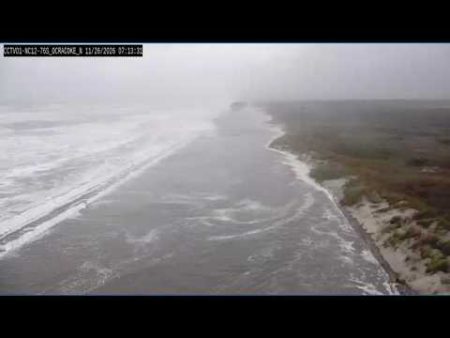
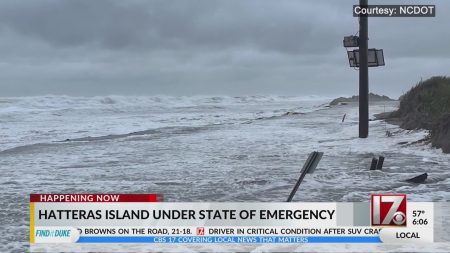
A powerful coastal storm slammed eastern North Carolina on Thanksgiving Day, Thursday, November 26, 2026, flooding NC Highway 12, cutting off Hatteras and Ocracoke islands and knocking out power to tens of thousands of homes and businesses across the state.
The storm affected communities from North Carolina to New Jersey, bringing strong winds, heavy rain, rough surf, and significant flooding. Along North Carolina’s coast and Outer Banks, forecasters warned days in advance that a powerful coastal system combined with king tides associated with the week’s full moon could produce dangerous conditions. Coastal flood warnings, flood watches, and wind advisories were issued before the storm reached its peak.
The warnings proved necessary. Low-lying areas near tidal waterways experienced flooding, while strong winds and elevated water levels threatened roads, homes, businesses, and infrastructure. Portions of NC 12, the highway that connects much of the Outer Banks, were particularly vulnerable as ocean water and waves pushed inland.
For many North Carolinians living far from the coast, the storm still felt personal. Communities in the mountains and Piedmont often maintain strong family connections to coastal counties. The videos circulating online are not showing distant places known only from maps. They are showing communities where our relatives, friends, former classmates, and loved ones live and work.
The storm also arrived at a time when many of us are viewing weather differently than we once did. In recent years, North Carolina has faced a series of costly hurricanes, floods, severe storms, and extreme rainfall events. Communities across the state have learned that forecasts deserve attention and preparation matters.
That does not mean every weather event will become a catastrophe. This particular storm moved through relatively quickly, helping to limit even greater damage. But the images left behind raise an important question about how we talk about extreme weather.
When neighborhoods are flooded, vehicles are rendered useless, roads are closed, and residents require rescue, does the phrase “coastal flooding” adequately convey what people experienced? The term is technically accurate, yet it can sound almost ordinary to those who are not watching the water rise outside their front doors.
Perhaps familiarity has affected our perspective. Weather events that once dominated headlines for weeks now compete with a constant stream of national and global news. A flooded street becomes another social media video. A submerged parking lot becomes another image in a fast-moving news cycle. What once seemed extraordinary can begin to feel commonplace simply because we encounter it more often.
Yet there is nothing ordinary about watching water surround your neighborhood. There is nothing routine about losing a vehicle, closing a business, or wondering whether the next high tide will bring even more flooding. Those experiences carry real costs for families and communities long after television crews leave.
Scientists continue to study how rising temperatures influence rainfall, storm intensity, sea levels, and coastal hazards. While no single storm can be attributed to a single cause, many communities are finding themselves confronting weather risks that seem more frequent and more expensive than previous generations experienced.
As North Carolina heads into winter, Thanksgiving’s storm offers a reminder that severe weather is not limited to hurricane season. Coastal storms can bring flooding, dangerous surf, power outages, and significant disruptions even as holiday decorations go up and families gather around dinner tables.
The water will recede. Roads will reopen. Damaged vehicles will be replaced, and communities will move forward. But the images from this week’s storm should challenge all of us to look beyond familiar weather terms and recognize what those words can sometimes conceal. When entire neighborhoods are underwater, “coastal flooding” is more than a forecast. It is a reality that thousands of people must live through, one rising tide at a time.