What You Should Know About Imported Ground Beef
A new federal policy is reshaping what shoppers may find in ground beef.
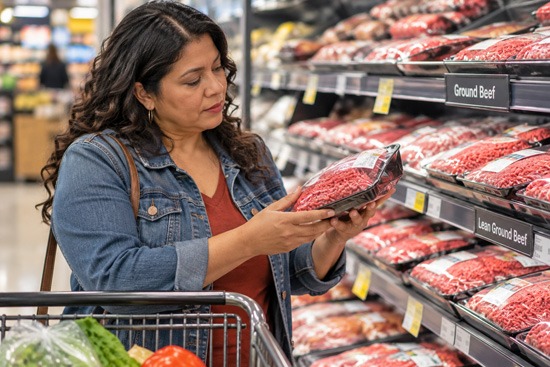
For the next 90 days, the federal government is allowing large volumes of tariff‑free imported lean beef trimmings into the US food supply.
These trimmings are not sold as steaks or roasts, they’re used almost entirely in ground beef blends, especially the leaner ones many families buy for everyday meals.
Because country-of-origin labeling is voluntary, shoppers may not know when imported trim is mixed into store brand ground beef. That lack of transparency is raising questions for consumers who want to understand what they’re feeding their families.
Is Imported Meat Unsafe?
Imported beef is not automatically dangerous. All meat entering the US must meet federal safety standards. The concern is not contamination, it’s clarity.
Different countries have different rules for antibiotics, hormones, feed quality, and slaughterhouse sanitation. While USDA inspectors monitor foreign plants, enforcement varies, and consumers have limited visibility into how imported cattle were raised or processed.
Ground beef carries more risk than whole cuts because grinding mixes bacteria throughout the meat. When imported trim is blended with domestic trim, the supply chain becomes harder to trace.
Imported beef is MOST likely to appear in:
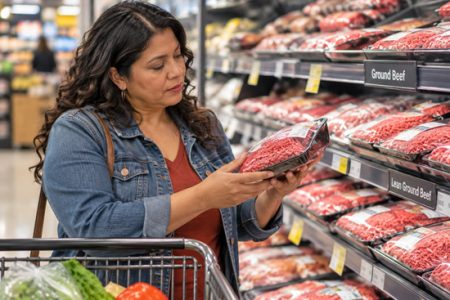
- Lean ground beef (90/10, 93/7, 96/4)
- Store-brand ground beef
- Ground beef chubs (long plastic tubes)
- Frozen pre-formed patties
These products rely heavily on lean trim. This is the meat being imported.
Imported beef is LEAST likely to be found in:
- Whole cuts (steaks, roasts, ribs, brisket)
- Butcher counter grinds made from whole cuts
- Local farm beef
- Premium branded beef with voluntary origin disclosure
Imported trim is lean, not whole-muscle meat, so whole cuts remain the safest choice for shoppers who want to avoid imports.
Why Labeling is Confusing
Since January 2026, “Product of USA” means the animal was born, raised, slaughtered, and processed in the United States. It’s a strong standard, but it’s voluntary.
Ground beef often carries no origin label at all. If imported trim is blended with domestic trim, the package may list multiple countries in small print, or none.
For families who want transparency, this voluntary system makes informed choices harder.
How Shoppers Can Protect Themselves
- Look for “Product of USA”—now a meaningful claim.
- Buy whole cuts—imports are trim, not steaks.
- Ask the butcher—many grind whole cuts in-house.
- Buy local—farms disclose origin.
- Choose brands that disclose origin—transparency is voluntary but reliable.
Food safety is a public trust issue. Communities deserve clear information about what’s in their grocery carts, especially when federal policy changes can affect our lives. Stay informed!