Understanding Election Security
A clear look at how elections are protected and why vigilance matters.
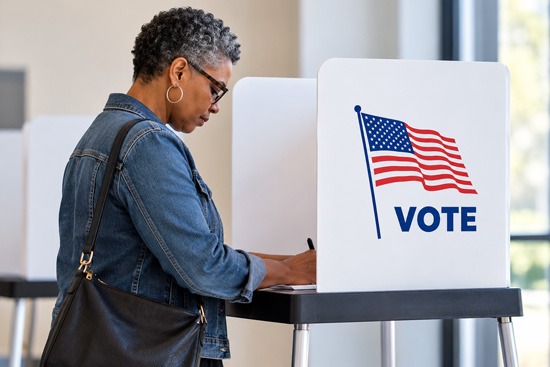
When people talk about election security, it often sounds like a battle between experts and institutions.
But for most of us, it’s something quieter and more personal. It’s about whether we can trust the process that decides our future. It’s about whether the systems meant to protect our voice are actually doing their job. And it’s about how we stay grounded when the news feels heavy and the stakes feel high.
The truth is that American elections are protected by many layers of oversight. None of them are perfect. All of them matter. Together, they form a patchwork of safeguards that make tampering difficult to hide.
These protections don’t rely on one agency or one leader. They rely on thousands of people across the country doing their work with care: county clerks, poll workers, auditors, judges, journalists, and everyday residents who show up to watch the process unfold.
Every ballot, machine, and memory card follows a documented chain of custody. Every voting location uses seals, locks, and bipartisan staff to keep equipment secure. Before Election Day, counties run public tests to show that machines count accurately. After the election, states conduct audits that compare paper ballots to machine totals. These audits are one of the strongest tools we have. They allow officials to verify results using the physical record voters can see and touch.
Most votes in the United States are cast on paper ballots or machines that produce a paper trail. That paper is the backbone of election security. Even if a machine malfunctioned or a software vulnerability existed, the paper remains. It can be counted again. It can be checked by hand. It can be examined by independent observers. It is the final word on the outcome.
Federal agencies play a supporting role. CISA (Cyber Security & Infrastructure Security Agency) monitors cyber threats. The FBI investigates breaches. The Election Assistance Commission oversees certification standards. These agencies don’t run elections, but they help identify risks and share information with states. Their work adds another layer of protection, especially against foreign interference.
Outside government, researchers, universities, nonprofits, and journalists watch closely. They test machines, review procedures, and report on problems. Their investigations often uncover issues before officials do. This independent scrutiny is part of what keeps the system honest.
Courts also serve as a safeguard. Judges can order recounts, block unsafe practices, and demand transparency. Litigation is slow and imperfect, but it has forced states to strengthen security and reveal weaknesses. It is one more way the public can hold institutions accountable.
All of these layers matter. They do not guarantee perfection. They do not eliminate risk. But they make it extremely difficult for anyone to secretly change results without leaving evidence behind.
There are still areas where the system needs more attention. Some states rely on aging equipment. Some oversight bodies lack resources. Some vulnerabilities have been documented but not fully addressed. These concerns deserve public pressure and honest conversation. They do not justify assuming that future results will be manufactured. They justify staying engaged, asking questions, and insisting on transparency.
The most important thing to remember is that trust in elections is not built by pretending everything is fine. It’s built by understanding how the system works, acknowledging where it falls short, and recognizing the protections that already exist. It’s built by people who care enough to pay attention.
When the world feels uncertain, it helps to return to what is real. Elections in the United States are decentralized, observable, and anchored by paper. They are monitored by many hands, not just a few. They are protected by procedures that have been tested again and again. And they are strengthened every time a community insists on accountability.
You don’t have to ignore your concerns. You don’t have to silence your questions. But you also don’t have to carry the weight of believing the outcome is already decided. The system is imperfect, but it is not helpless. And the people who care about democracy, including you, are part of what keeps it standing.