The Man Who Gave Workers Their Day of Rest
How John Patterson Green shaped a holiday for everyone who labors.
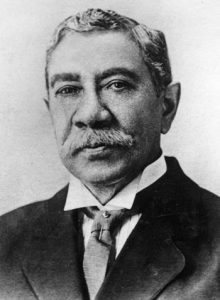
John Patterson Green’s name rarely appears in national conversations about Labor Day, yet his work touches every family gathering that takes place in early September.
The holiday we know today grew from many hands, but Green, a Black lawyer and lawmaker in Cleveland, is one of the people who made sure workers had a day carved out just for them.
Green was born in 1845 to a free Black family in New Bern, North Carolina. After his father died, his mother moved the children to Cleveland, hoping the city would offer a safer future. Green grew up working whatever jobs he could find, studying during breaks and late evenings until he earned a law degree. That persistence shaped the rest of his life. He understood what it meant to labor long hours, and he understood how easily working people could be overlooked.
When he entered public service, he carried those memories with him. In 1890, as a member of the Ohio legislature, Green introduced a bill to set aside the first Monday in September as a day to honor workers. It was a simple idea, but a bold one: a holiday that recognized the people who kept the country running. Ohio adopted the bill, making Labor Day a state holiday four years before the federal government followed.
Green’s role is even more meaningful when placed alongside other figures often credited with shaping Labor Day. In the Northeast, labor leaders like Peter J. McGuire and Matthew Maguire were organizing parades, rallies, and early celebrations. Their work helped build momentum at a time when workers were fighting for fair wages, safer conditions, and shorter workdays. They sparked the idea of a workers’ holiday through public demonstrations and union organizing.
Green did something different. He didn’t lead a parade or stand at the front of a march. He sat in the statehouse and turned a hope into law. His bill gave Labor Day its first legal footing, proving that the holiday could be more than a symbolic gesture. It could be official. It could be protected. It could belong to everyone.
Understanding these different paths makes the story fuller. McGuire and Maguire helped shape the celebration. Green helped secure it. Two worked through union halls; the other worked through legislation. Together, their efforts show how Labor Day grew from both community organizing and political courage.
Green’s contribution is especially powerful because of who he was and the era he lived in. A Black lawmaker in the late nineteenth century faced barriers that white union leaders did not. His achievements were easier for the country to overlook, even when they shaped the holiday we still observe. Restoring his name to the story doesn’t erase the others. It simply brings the truth into balance.
Green lived to be ninety‑five, passing away in 1940 just one day before the holiday he helped create. His life stretched from the era of slavery to the eve of World War II, and through all those changes he remained committed to fairness, community, and the belief that workers deserved to be seen.
Every September, when families gather and workers take a breath before the busy season begins, we should each take a moment to acknowledge that we are enjoying the legacy John Patterson Green left us.
Learn more about John Patterson Green by reading this article from the Signal Cleveland, signalcleveland.org/father-of-labor-day-was-black-lawmaker-from-cleveland-john-patterson-green.