Our Economic Power
Our spending is a form of participation that shapes the world around us.
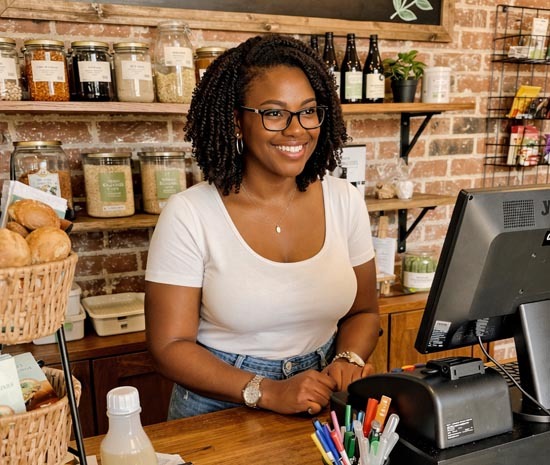
By Ebony Emerson –
Black consumers have always done more than shop.
Our choices carry weight. When we decide what to bring into our homes, what to gift our families, what to support with our hard‑earned dollars, we send a message about what matters. We help determine which products rise, and which trends take hold. And, trust me, companies have learned to pay attention.
Across the country, researchers have tried to measure the scale of that influence. Their estimates point to a level of economic power that is both immense and often underestimated. They describe a community whose collective spending reaches well into the trillions each year, with projections that continue to climb. They also note that Black households make up a meaningful share of the nation’s discretionary spending—the money people choose how to use, not the money tied up in bills or necessities. In other words, our choices are not only numerous; they are intentional.
But numbers alone don’t tell the full story. Our buying habits are rooted in something deeper than market trends. We carry memories of watching our elders stretch a dollar, support a neighbor’s business, or choose a brand because it treated our community with dignity. We glow with pride when we see ourselves reflected in advertising. We also hold onto the memory of companies who have shown that we were never truly in their plans. These experiences shape how we move through stores, scroll through online shops, and decide what deserves a place in our lives.
When we talk about Black consumer power, we’re really talking about the power of discernment—the way we have learned to read between the lines, to notice who sees us and who only wants access to our wallets. I’m talking about the creativity and cultural leadership that make our preferences ripple outward into the broader market. Our style, our taste, our sense of what feels good and true often becomes the blueprint for what the rest of the country eventually embraces.
This influence is not abstract. It shows up in products that suddenly appear on shelves after years of being hard to find. It shows up in the marketing campaigns that shift their tone because we demanded better. It shows up in the brands that thrive because we believed in them early, long before the mainstream caught on.
And yet, for all this impact, Black consumers are still too often treated as an afterthought—a demographic to be targeted, not a community to be respected. That gap between our power and the recognition of it is where the real work lies. Companies that want our dollars must learn to value our stories, our needs, and our lived experiences. They must understand that trust is earned, not assumed.
Our dollars matter because we matter. Our choices reflect our hopes for our families, our neighborhoods, and our future. When we support businesses that honor us, we strengthen the economic health of our communities. When we withhold our spending from companies that refuse to see us, we send a message that cannot be ignored.
The market needs our dollars because of the clarity and cultural force behind them. We have always been trendsetters and visionaries. Our spending is simply another way we carry that legacy forward. The next time you go shopping, consider who and what you are supporting with your dollars.
Money Spent Locally is Recycled Throughout the Community
When we spend our dollars at local businesses, those dollars don’t just disappear—they circulate and multiply within our communities. Local businesses often reinvest their earnings by hiring neighbors, purchasing supplies from other local vendors, and supporting community events and organizations. This cycle of spending helps create jobs, build wealth, and strengthen the social fabric of our neighborhoods.
Unlike dollars spent at large, non-local corporations that often flow out of the community, money spent locally tends to stay close to home, fueling economic growth and resilience. This recycling of dollars empowers entrepreneurs who understand and prioritize the needs of our community.
By choosing to spend locally, we contribute to a sustainable economic ecosystem where our dollars have a lasting impact. Let’s nurture businesses that reflect our values. Our neighborhoods depend on our financial support.