The Work of Rebuilding Together
A moment shaped by ordinary people choosing a more generous future.
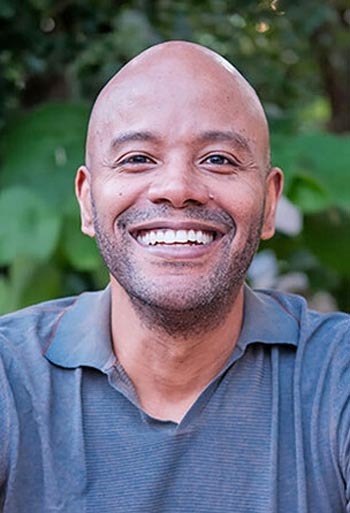
Peniel Joseph’s book, The Third Reconstruction, gives language to something many communities have been living through for years.
It names the feeling that the country is at a crossroads, and that the choices people make in their neighborhoods, congregations, and local institutions matter just as much as the decisions made in Washington. It reminds us that history isn’t only written by presidents and lawmakers. It is shaped by everyday people who decide they will not give up on each other.
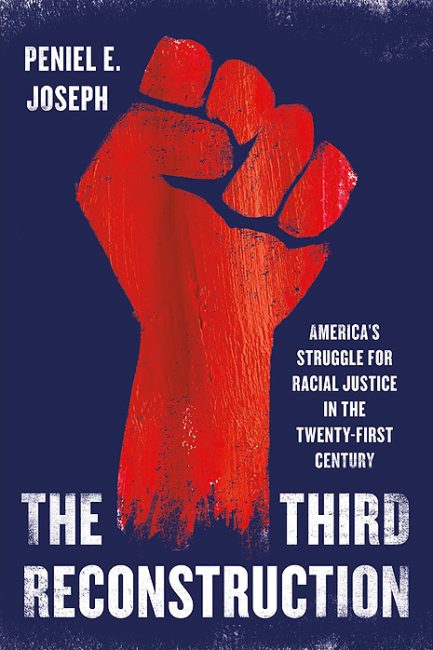 Joseph describes earlier Reconstruction eras as times when the nation tried, however imperfectly, to expand democracy and reckon with its deepest wounds. The first came after the Civil War, when formerly enslaved people pushed the country toward a new vision of citizenship. The second rose during the Civil Rights Movement, when communities across the South and beyond insisted that equality could no longer be delayed. Each period carried hope and heartbreak, progress and backlash, courage and resistance.
The Third Reconstruction, as Joseph sees it, began with the election of Barack Obama. But its real power comes from the people who stepped forward in the years that followed. It comes from young organizers who refused to let the deaths of Trayvon Martin, Michael Brown, Breonna Taylor, and so many others fade into silence. It comes from elders who kept teaching the lessons of earlier movements. It comes from families who showed up at school board meetings, neighbors who built mutual aid networks, and artists who told the truth when others tried to erase it.
Joseph’s work lifts up the leadership of Black women and queer Black people, whose vision has guided every major push toward justice in this country. Their insistence on dignity, safety, and full belonging has shaped movements from abolition to Black Lives Matter. Their voices remind us that democracy is strongest when it includes everyone, not just the people who have always held power.
Thinking about Reconstruction in this way helps us understand the moment we are living in. It explains why progress often arrives with backlash close behind. It shows why conversations about voting rights, policing, education, and public memory feel so charged. And it offers a steady reminder that the struggle for a more just society is not new. It is part of a long tradition of people choosing hope over fear and possibility over despair.
A community‑centered Reconstruction does not require perfection. It asks for commitment. It asks for neighbors who listen to one another, even when they disagree. It asks for leaders who tell the truth about the past so the future can be built on solid ground. It asks for compassion that stretches across race, class, and generation. Above all, it asks for the belief that ordinary people can shape extraordinary change.
Joseph’s book does not promise easy answers. Instead, it offers clarity. It reminds us that we are living through a defining chapter in American life, and that the work of rebuilding belongs to all of us. The Third Reconstruction is already under way. Its direction depends on how communities choose to move, care, and imagine together.