Gouging the Gouty
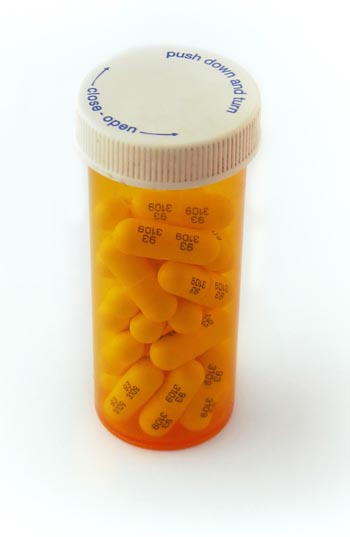 The price of URL’s approved form, Qualaquin®, was set five times higher than existing generics.
by Michael Hopping
Those paying the bills for treating people who suffer from gout, a common form of arthritis, will experience a flare-up of financial pain this year. The price of colchicine tablets, a mainstay of treatment, is going from ten cents ($0.10) to five dollars ($5.00) per pill.
The rationale, or rationalization, for this fifty-fold price increase spotlights yet another area of dysfunction, at least for patients, in the American healthcare system.
Colchicine preparations have been successfully treating gout for at least two thousand years. Since the purified drug was first produced in 1820 doctors have accumulated vast clinical experience with using it safely. However, because colchicine predated federal rules for safety and effectiveness testing, the Food and Drug Administration (FDA) never approved it.
In 2006 the agency began a serious push to bring old unapproved
medicines into compliance with modern requirements. Rather than conduct
the necessary research with tax dollars, the FDA offered drug
manufacturers a sweetheart deal. In return for doing the tests, a
company could corner the market on a newly approved old drug for a
period of years.
One privately held company, URL Pharma, has a business plan to take
advantage of this situation. In 2006, URL won FDA approval to
exclusively market the ancient malaria and leg cramp drug, quinine
sulfate. The price of URL’s approved form, Qualaquin®, was set five
times higher than existing generics. URL then sued competing
manufacturers to stop them from producing quinine sulfate.
URL is taking the same approach with its newly-FDA-approved brand of
colchicine, Colcrys®. But why settle for charging five times more per
pill when you can get fifty times the former price? URL’s arrangement
with the FDA allows it three years of exclusive marketing rights for
Colcrys® in the treatment of acute gout. For the rarer Familial
Mediterranean Fever, URL has the market to itself for seven years.
Again, other generic manufacturers must cease production or face a URL
lawsuit.
The American College of Rheumatology complained to the FDA about the
new cost of colchicine. The doctors were told that the agency
“regretted the price increase” but stood by the need to evaluate old
medicines by modern standards. The FDA said other generic manufacturers
could re-enter the market by researching colchicine for other
indications, such as the treatment of chronic gout. (Presumably, such a
company could also charge prices exorbitant by historic standards.)
But for this FDA policy — started under Bush and continued by Obama —
colchicine would still cost a dime instead of a five-dollar bill. It’s
easy to wish gout on the FDA brain trust that either didn’t see this
price gouge coming or didn’t care. (URL’s research did produce a few
new findings with limited clinical impact.)
The bigger picture isn’t so simple. Boneheaded bureaucracy is a serious
problem, but so is our system of developing and testing medicines. Had
tax money funded the colchicine studies, the drug would have remained
cheap. Instead, patients and taxpayers are directly or indirectly on
the hook to URL Pharma for years.
Colcrys® is only one example of the drawbacks of putting drug testing
in the hands of corporations with a financial interest in the outcome.
Scandals involving manufacturer suppression of evidence about severe
and potentially fatal side effects for pricy new drugs have become
commonplace.
GlaxoSmithKline’s diabetes drug Avandia® is currently under federal
scrutiny. Eli Lily & Co. paid out billions in federal fines and
lawsuit verdicts for concealing serious side effects of its lucrative
antipsychotic drug, Zyprexa®, and promoting it for unapproved uses. In
2004, after revelations that Vioxx® patients were at increased risk for
heart attack and stroke, Merck withdrew the popular anti-inflammatory
drug. The list goes on.
The FDA may be in need of a brain and muscle transplant but, as long as
greed drives corporate behavior, the public needs a regulatory cop on
the beat. Sorry as it is, the FDA and congressional oversight
committees are the only protection we have from drug companies that
value the welfare of profits above patients.