NC Black Legislative Caucus Holds Listening Session at YMI
Residents, community leaders, activists, and church elders shared their thoughts on local and national issues.
On October 6, members of the North Carolina Black Legislative Caucus launched their statewide Listening Tour with a public forum held at the historic YMI Cultural Center—the nation’s oldest Black cultural institution.
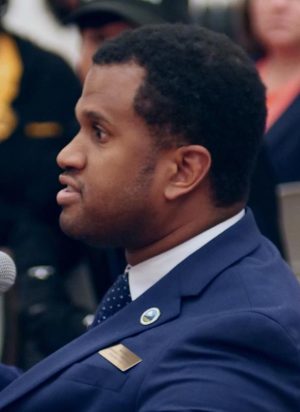
Four legislators from the 41-member the North Carolina Black Legislative Caucus (NCBLC) traveled to Asheville to hear directly from residents, community leaders, activists, and church elders about the issues that matter most to them. Buncombe County Commissioner Jennifer Horton served as host and moderator.
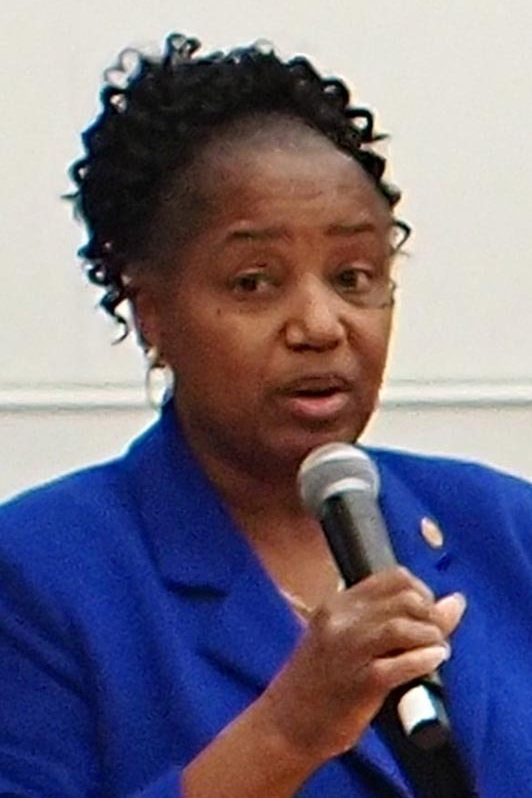
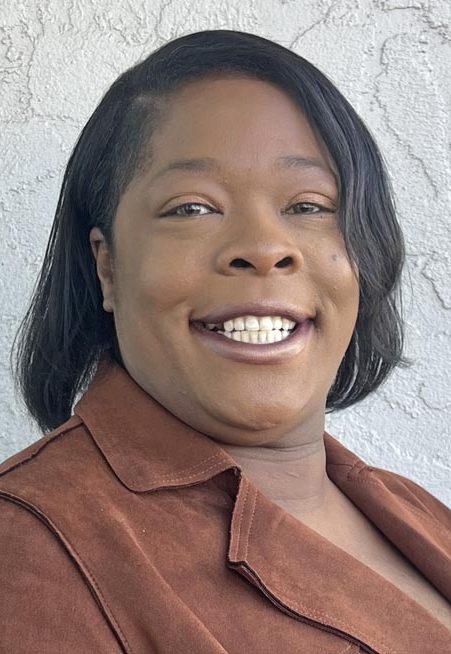
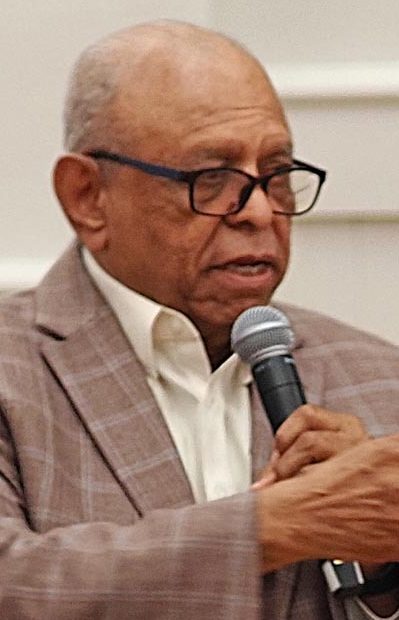
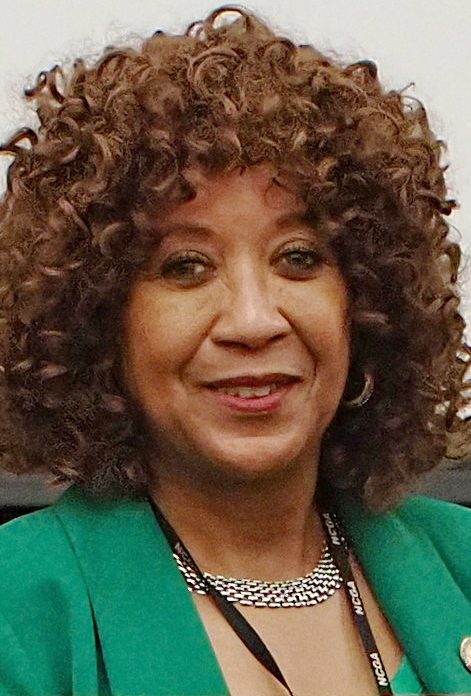
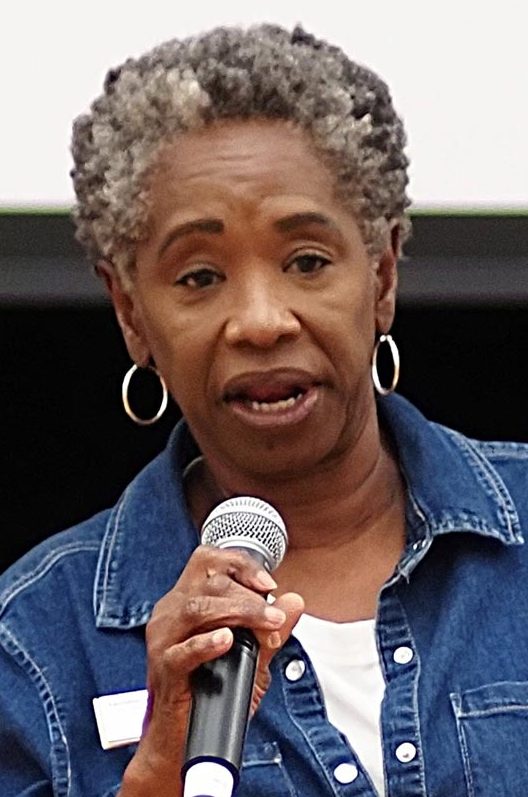
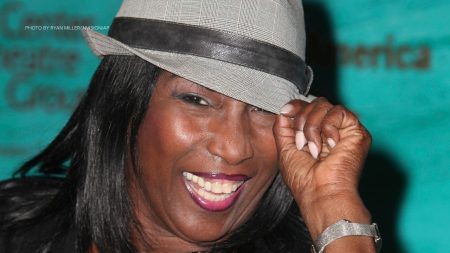
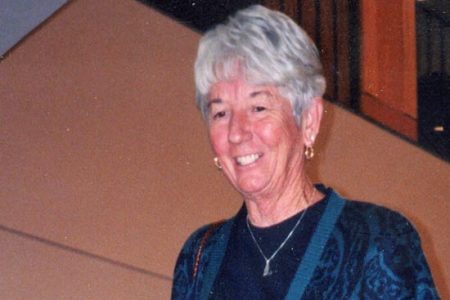
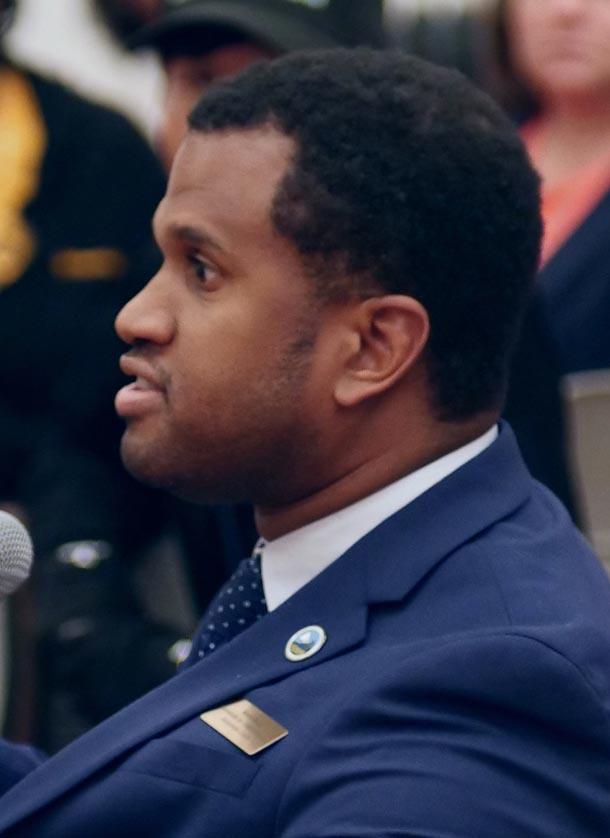
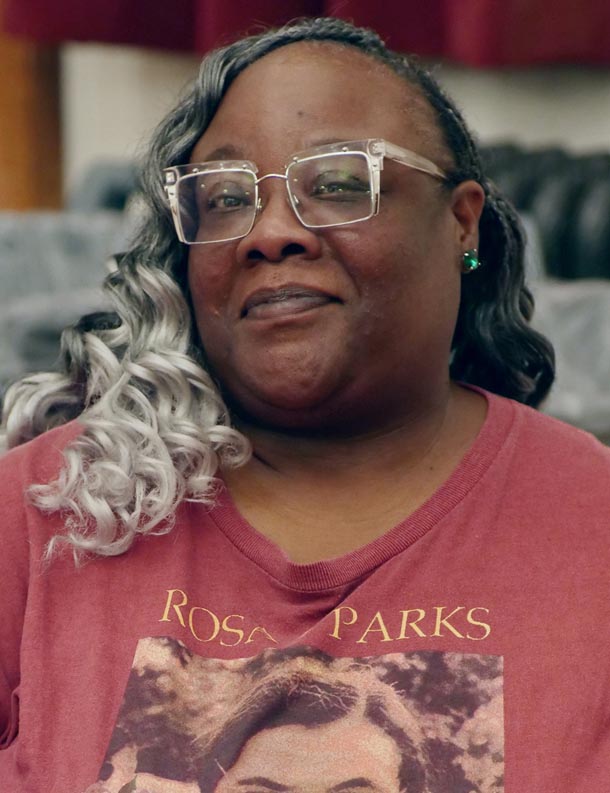
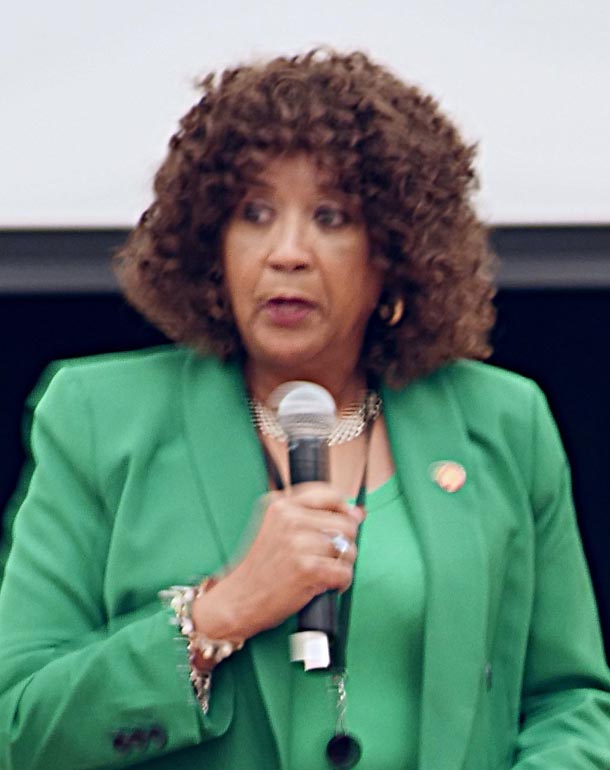
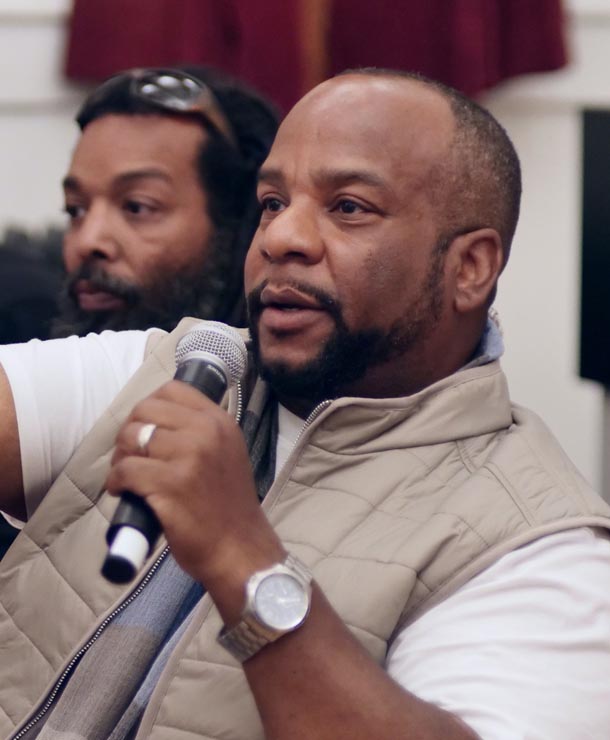
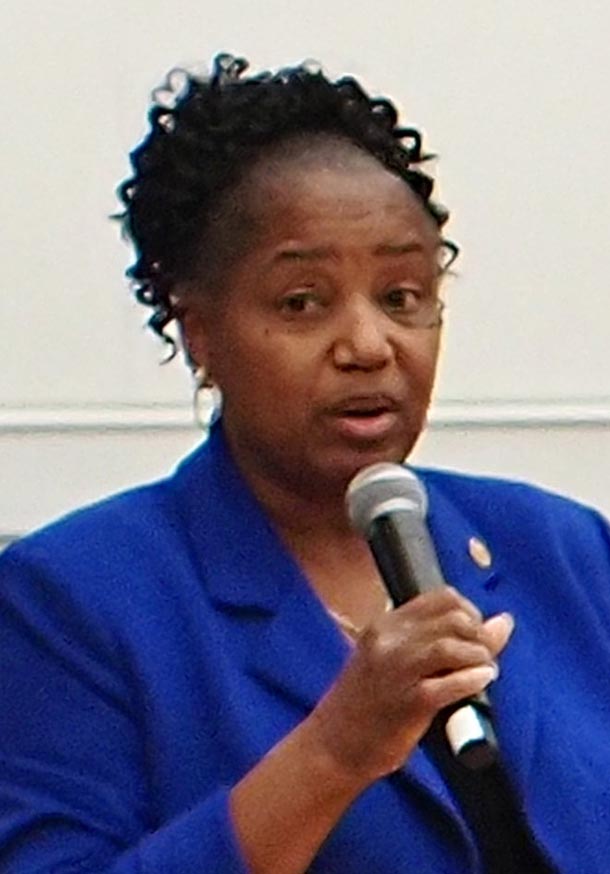
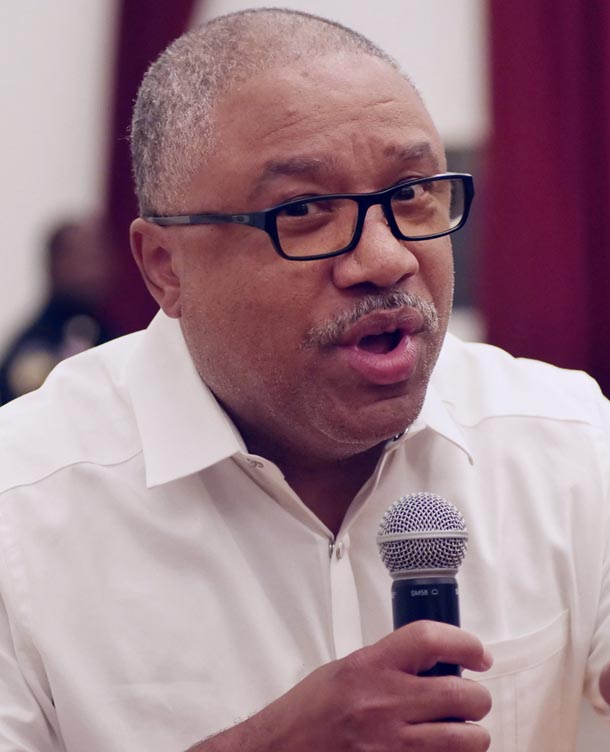
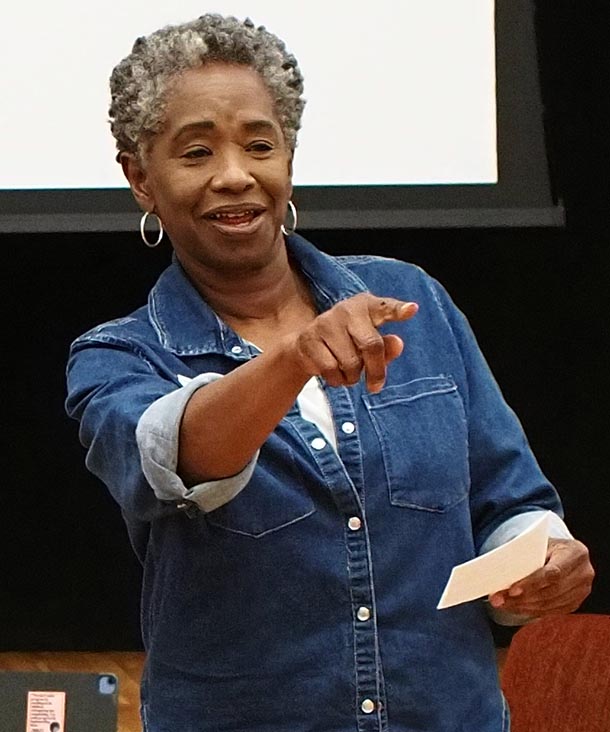
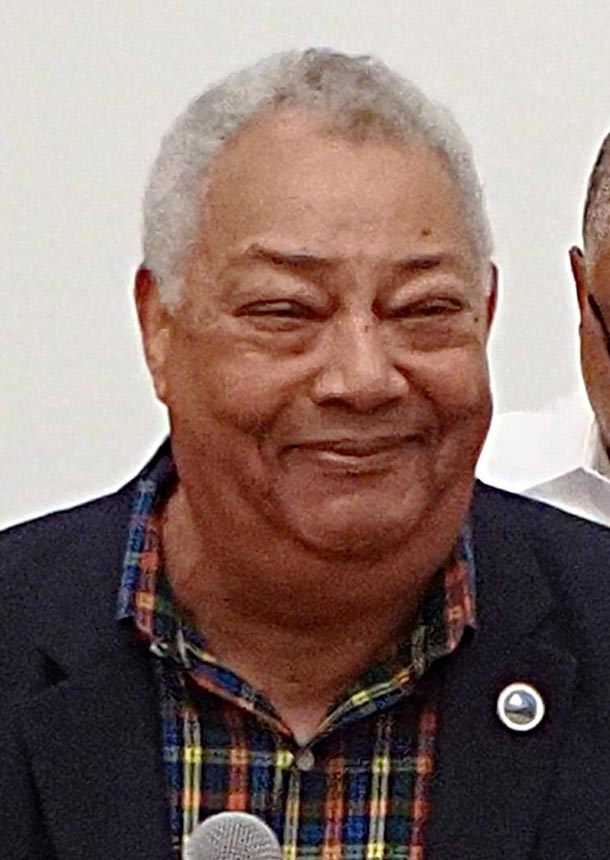
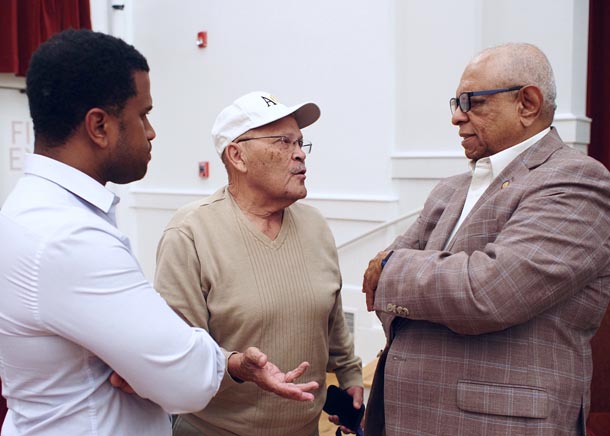
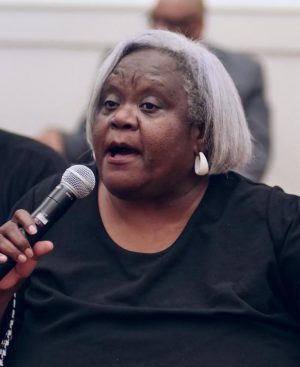
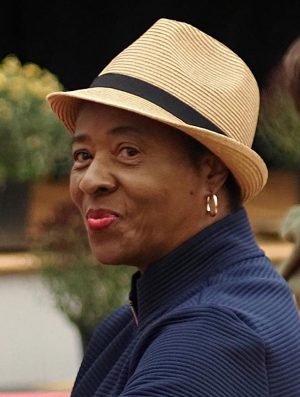
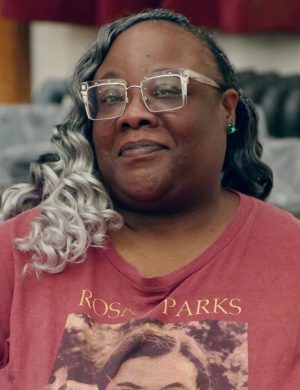
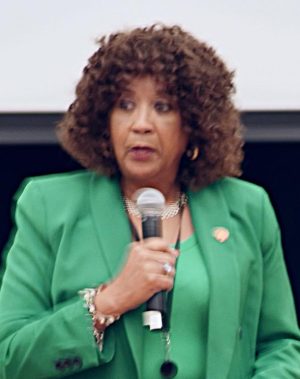
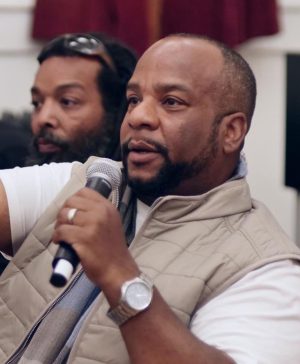
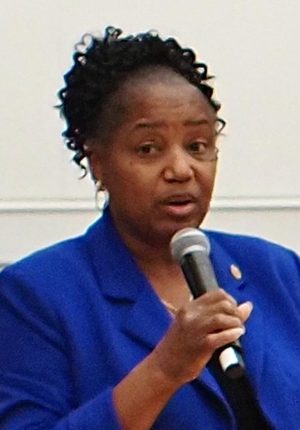
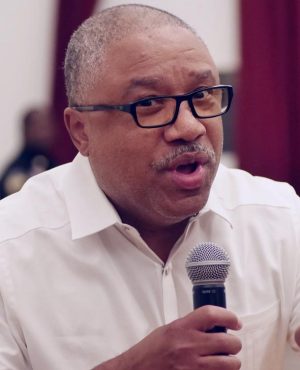
Photos of NC Representatives by Renato Rotolo/The Urban News
State Senator Kandie Smith of Edgecomb and Pitt counties (NC District 5) opened the session by noting that their visit began with a drive-through of Black Mountain and Swannanoa—two areas heavily affected by Tropical Storm Helene. While storm recovery remained a priority, one of the first questions from the audience shifted the conversation to a national concern: partisan redistricting efforts in Texas.
Question: “Given what’s happening in Texas, will a similar move take place in North Carolina?”
State Representative Nasif Majeed (District 99, Mecklenburg County) responded: “There have been rumors of redistricting here. We don’t know when, but there’s a high probability—mainly because of the NC Supreme Court race.”
He explained that although Justice Allison Riggs was elected to a full term in 2024, her victory didn’t shift the court’s GOP majority, meaning Republican legislators may still pursue gerrymandering tactics to regain lost power.
“They lost their supermajority in the House,” Majeed said. “Now they can’t override Governor Stein’s vetoes without Democratic help. But they still control the courts—so they’ll likely try to win through legal means instead.”
Sen. Smith emphasized the importance of public involvement. “We can fight—we’re not going to stop fighting—but you must fight too. Everyone must be registered and must vote. Not voting is voting—for someone you probably don’t want. It starts at home, then your family, then your church. What are we going to do?”
Changing the Format: From Q&A to Community Voices
Senator Val Applewhite (District 19, Cumberland County), an Air Force veteran now in her second term, said the GOP has found workarounds after losing the House supermajority.
“They can’t pass a full budget without a veto, so they pass partial ones. Reimbursement rates have been cut for EMS and fire providers. They’re already operating with bare-bones budgets—and they’re cutting more. Meanwhile, continuing resolutions let them limp along without compromise.”
Applewhite advocated for flipping the standard listening-session format. “Rather than a typical Q&A, we want to hear your thoughts directly—loud and clear. That’s what this tour is about.”
She highlighted state-level efforts to dismantle DEI (Diversity, Equity, and Inclusion) programs, which she said could threaten HBCU funding and academic freedom.
“Look at what happened at UNC-Chapel Hill—Project 1619’s author had her tenure offer rescinded. And new district lines in Greensboro split the Black student vote. We keep playing by the rules, but we continue to lose.”
Rep. Logan: “We Have to Be Careful About Retaliation”
Representative Carolyn Logan (District 101, Charlotte), a trailblazer in law enforcement, reflected on her service as the first Black female patrol officer in Asheville and the first Black female NC State Highway Patrol officer. She retired in 2007.
Logan warned of chilling consequences from anti-DEI legislation. “Of the three DEI bills Governor Stein vetoed, one was overridden. If the others had passed, some of the things I’ve said could have led to impeachment. These bills are designed to silence us. We have to be very careful.”
Mobilizing a Disengaged Electorate
Audience members expressed frustration over political apathy and disengagement.
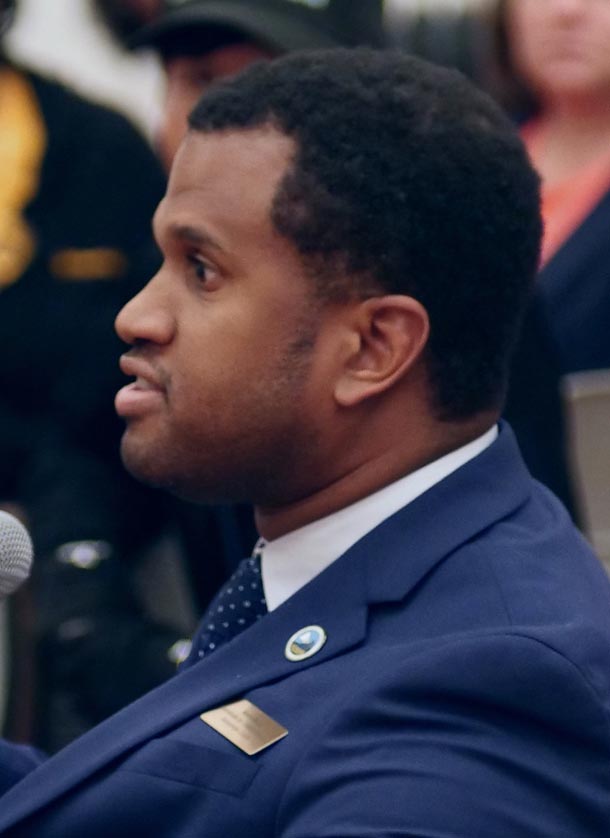
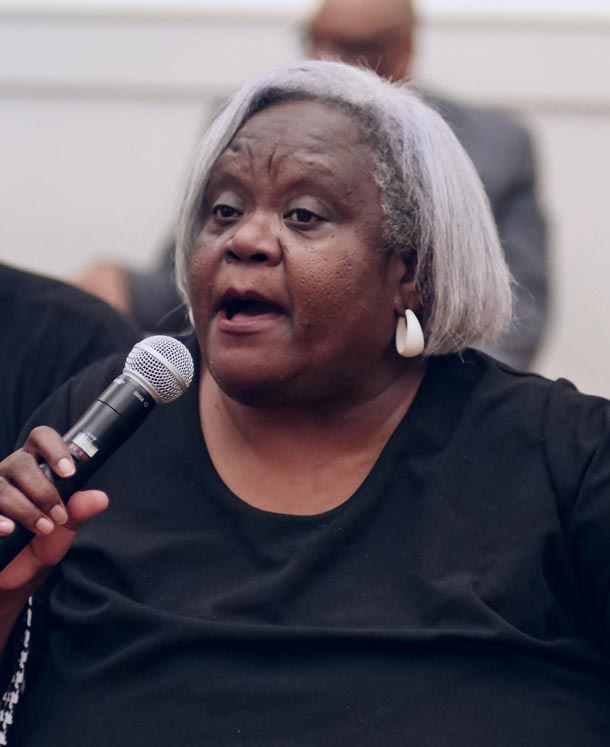
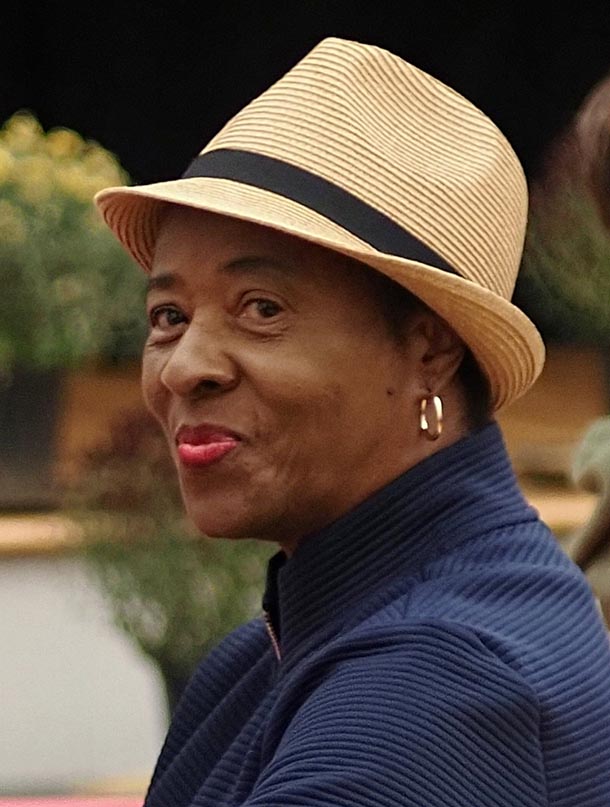
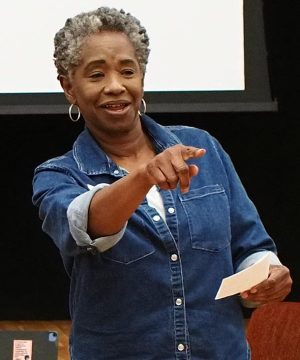
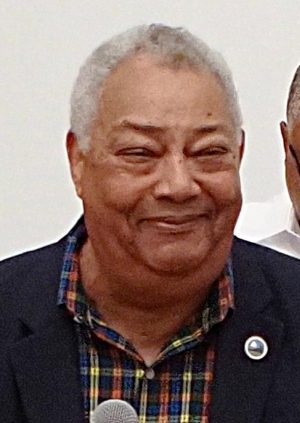
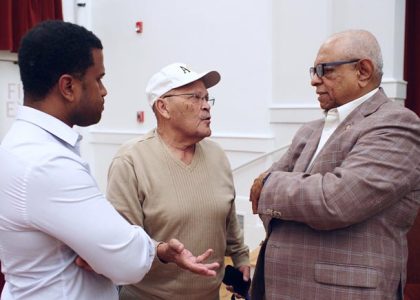
“Most people don’t want to be bothered—they’re tired. How do we reach them? How do we keep citizens informed and active?”
Rep. Majeed acknowledged the challenge: “Voter apathy is universal. But in Charlotte, we have a Black Leaders Caucus in all four wards. We canvass. We don’t have a magic formula, but we try to connect at the grassroots level.”
Sen. Applewhite stressed the importance of long-term relationship building, especially among younger and first-time voters. “We spend energy on registering people but not enough on getting them to vote. When they ask, ‘What’s in it for me?’—explain to them, how SNAP, daycare funding, and Medicaid are all on the line.”
School Funding, Vouchers, and Consolidation
Local education issues also took center stage. One audience member asked: “Why was a school consolidation report funded if no action followed? And why change Article 39 to use capital funds for operating expenses?”
Senator Julie Mayfield (Buncombe County) explained that Article 39 was designed to keep capital and operational school funds separate. However, facing a $4 million shortfall, Buncombe County Schools sought permission to temporarily use capital funds for operations—with a promise to replenish them if reimbursed by the state.
It was pointed out that the Republican legislature in Raleigh has passed laws redirecting over $5 billion in public funds to private schools over the next 10 years through vouchers. “That’s $500 million a year—with zero accountability,” said Mayfield.
County Commissioner Al Whitesides noted that Buncombe County had to send thousands of checks to charter and private schools. “The drain on public school enrollment is real. And with shrinking populations, consolidation must be revisited.”
Asked about legislative support for consolidation, Mayfield referenced the late Sen. Martin Nesbitt, who authored Article 39 decades ago but who also championed deliberate, informed study before merging systems.
She added that Sen. Warren Daniel (R-Buncombe) had planned to introduce a consolidation bill last year regardless of the study’s recommendations —until Tropical Storm Helene disrupted the session.
Rep. Applewhite added: “Our schools lost more than any other system—$17 million—to these Opportunity Scholarships. And when we debated this, families came out in droves demanding more voucher money. No one came to advocate for public school funding.”
Medicaid, Helene Relief, and Representation
Rep. Majeed returned to the importance of consistent public pressure, citing Medicaid expansion as a hard-fought victory.
“When I joined the House, the GOP said no. Meanwhile, hundreds of thousands went without healthcare. But over time, pressure grew—and finally, the dam broke.”
Residents questioned where Helene recovery funds were going—and whether they were reaching Black communities. “That money isn’t going to the hardest-hit neighborhoods,” said a Swannanoa resident.
Asheville resident and activist Renee White asked: “Who controls those funds? We have to hold even our Black elected officials accountable when they don’t deliver.”
Frustration in the room was evident. One attendee said: “This system was never meant to benefit us. We’re entertainers and consumers to them. We’re falling behind—and using TikTok for foolishness instead of organizing.”
Fairview resident Angie Jones criticized media narratives that focus only on white rural families. Longtime Asheville resident Jesse Goode, 70, addressed youth disengagement.
“Our kids leave for Charlotte or Atlanta after high school. There’s no opportunity here—just tourism and medicine. So why would they participate in politics if they know they’re leaving?”
He also added: “They vote—and still see no change; which also leads to cynicism.”
“That’s what our job is,” Sen. Smith reminded the audience. “But we can’t do it alone. You have to stay informed, stay loud, and stay in the fight.”
Symbolic Step Toward Recovery
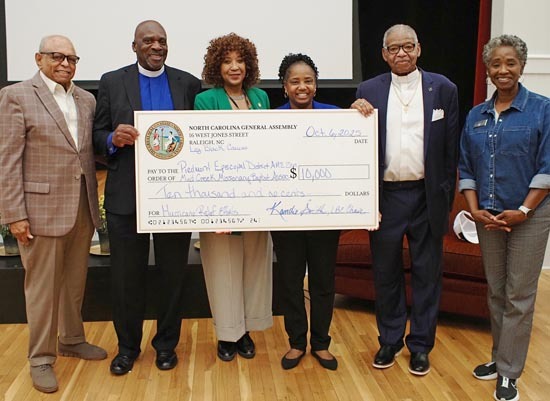
Despite frustrations, the North Carolina Black Legislative Caucus listening session ended on a hopeful note with the presentation of a $10,000 check, jointly awarded to the Piedmont Episcopal District of the AME Zion Church and the Mud Creek Missionary Baptist Association, for their community work in storm recovery.