How Elected Officials Shape Black Communities
Real change comes from actions, not promises made during election season.
 By Ebony Emerson –
Every election cycle, Black communities hear familiar pledges.
Candidates visit our churches, speak of justice, and promise to stand with us. They praise our history, our resilience, and our role in shaping the nation. But once the ballots are counted, many of those promises fade. Decisions made in quiet committee rooms or late‑night votes often tell a different story than the words spoken on the campaign trail.
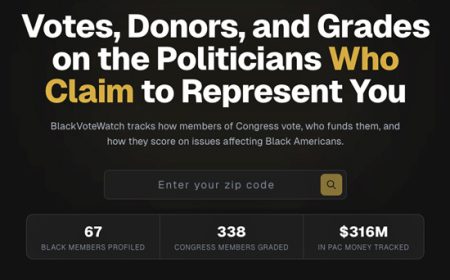
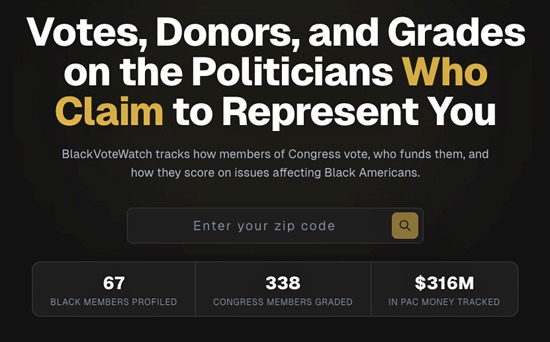
BlackVoteWatch.org was created to close that gap. The site offers a clear, accessible way to see what elected officials actually do once they’re in office. Instead of relying on speeches or slogans, it looks at voting records, donor relationships, and how officials use their influence when our communities need them most. It replaces political rhetoric with documented receipts.
The heart of the project is simple: elected officials have real power over the conditions of daily life in Black communities. Their choices shape whether families can find affordable housing, whether schools receive fair funding, whether elders can access care, and whether neighborhoods get the investment they deserve. Policy decisions determine the safety of our streets, the strength of our local economies, and the health of our environment. These choices are not abstract. They touch every household.
BlackVoteWatch evaluates each representative with two scores. The Policy Score reflects how they vote on legislation that affects Black Americans. The Accountability Score looks at how they use their position, whether they respond to community needs, and whether donor interests appear to outweigh the people they serve. Together, these scores form a letter grade from A to F. The site has graded every Black member of Congress, offering a clear picture of how their public commitments align with their actual record.
This approach encourages a different kind of civic engagement. Instead of voting based on party loyalty or campaign advertising, Black voters can make decisions rooted in evidence. The platform helps people understand complex bills, see patterns in political behavior, and identify who is truly working for the community’s well‑being. It also highlights where accountability is missing, giving voters the information needed to ask harder questions and expect stronger follow‑through.
BlackVoteWatch is not about telling people whom to support. It is about giving communities the tools to evaluate leadership with clarity and confidence. When voters have access to honest information, they can advocate for themselves more effectively. They can push for policies that match their needs and hold officials responsible for the promises they make.
If you want to see what politicians actually do once they get your vote, visit BlackVoteWatch.org.