New Federal Rule Makes COVID-19 Vaccines Free
 by Dena Bunis, AARP –
Americans with Medicare, Medicaid, and private insurance, as well as those who are uninsured, won’t pay.
All Americans—whether they get their health care from Medicare, Medicaid or private insurance, or they do not have coverage—will be able to get a COVID-19 vaccine at no cost, under a new regulation the Centers for Medicare & Medicaid Services (CMS) released in October 2020.
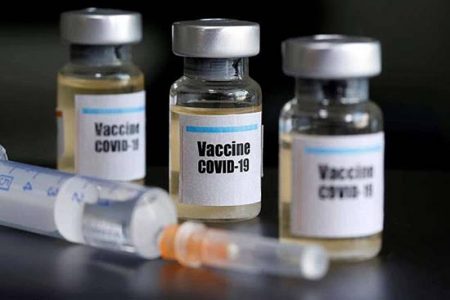
Under the rule, Medicare and other programs will cover the cost of any vaccine that is authorized by the Food and Drug Administration (FDA), whether through an emergency use authorization (EUA), an expedited process to approve treatments quickly during an emergency such as this pandemic, or it is sanctioned with full FDA approval. AstraZeneca, Pfizer, Moderna, and Johnson & Johnson are all in the midst of late-stage clinical trials on vaccine candidates.
Issuing this regulation “sends a message to the American people that this is not something that they need to worry about,” CMS Administrator Seema Verma told AARP in an interview. “I think it gives people peace of mind.”
The regulation comes amid a nationwide resurgence of coronavirus cases. The outbreak has already left more than 10.6 million Americans infected and more than 243,000 dead as of Nov. 12, 2020.
Verma said her agency wants to make sure that “once a vaccine is approved, we’re going to get it into the hands of the American people as quickly as possible.”
Government to enlist “mass immunizers” to inoculate Americans
With hundreds of millions of Americans needing to be vaccinated, including the more than 62 million people enrolled in Medicare, CMS also moved Wednesday to expand the use of “mass immunizers” to deliver the vaccine.
“The idea here is, we want to increase access and make it as convenient as possible for both Medicare and Medicaid recipients to get the vaccine,” Verma said. This will build on what happens during flu season, in which pharmacies become mass immunizers. Beyond pharmacies, Verma envisions that schools, public health clinics, and other nontraditional providers will be enlisted to help get the vaccine delivered to as many people as possible and as quickly as possible.
The regulation makes it clear that any Medicare copays, deductibles, or coinsurance charges will be waived for the vaccines, whether a beneficiary is enrolled in original Medicare or a Medicare Advantage plan.
The rule also requires providers of COVID-19 tests to post the cash price of their test online. Those who fail to do so could face fines of up to $300 a day. While Medicare, Medicaid, and private insurers must offer coronavirus testing at no charge in most cases, people without insurance often have to pay, and the costs of such tests vary widely.
Under the regulation, the federal government will make additional payments to hospitals caring for COVID-19 patients, with innovative new products authorized or approved to treat the virus. The goal, Verma said, is to make sure hospitalized patients get the most effective treatment at no cost to the patient.
CMS has also worked with the US Department of Labor and the US Treasury Department to require private health insurance plans to cover a recommended COVID-19 vaccine with no cost sharing—whether a consumer is getting the vaccine from an in-network or out-of-network provider. Under the Affordable Care Act (ACA), such preventive vaccinations must be provided free of charge. Medical professionals will also be reimbursed for vaccinating uninsured Americans.
Verma said her department is working on a campaign to communicate with Medicare beneficiaries on the importance of taking a COVID-19 vaccine. Recent surveys in 11 battleground states found that among age 50-plus voters, about half would take a vaccine offered at no cost. About 25% of those polled said they weren’t sure.
CMS has already announced a partnership with CVS and Walgreens to allow the pharmacy chains to go into nursing homes to provide vaccinations at no charge to residents and staff.
“We want to make sure that as soon as this vaccine gets approved, that it’s distributed and it’s getting to the highest risk patients—our nursing home residents as well as our seniors,” Verma said.