The Life and Legacy of Thomas Jeremiah
A story about wealth, danger, and what power really means.
In the summer of 1775, Thomas Jeremiah walked the streets of Charles Town, South Carolina with the quiet confidence of a man who knew his work mattered.
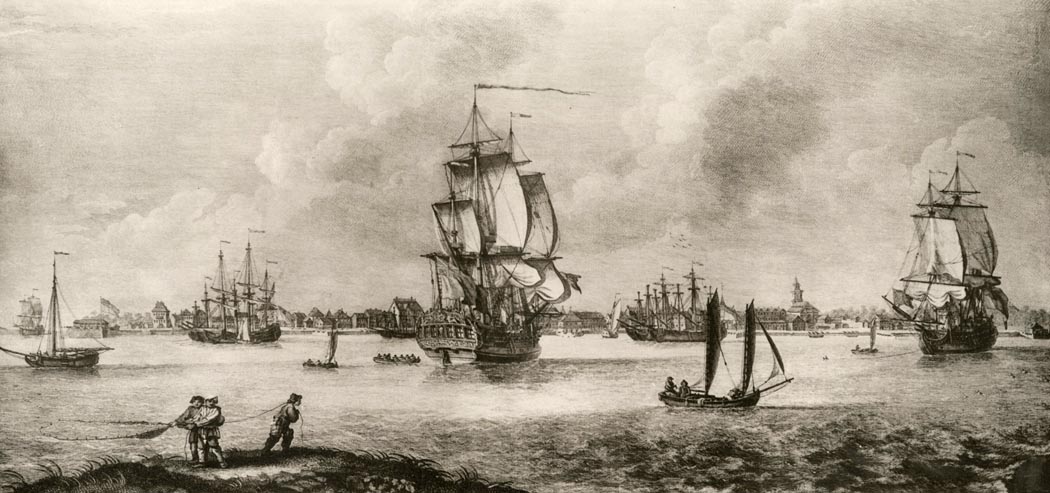
He was a harbor pilot, a fisherman, a merchant, and one of the wealthiest free Black men in the colonies. He lived on Meeting Street, close enough to the city’s elite to be seen, but never close enough to be protected. His life was built through skill, grit, and long days on the water. His death was shaped by fear, politics, and the limits placed on Black freedom long before the nation called itself free.
Jeremiah’s story reminds us that proximity to wealth and power has never guaranteed safety for Black people in America. He lived near men who shaped the Revolution. He worked alongside them. He served the city they governed. Yet when panic rose and rumors spread, those same men used their influence to destroy him. His success made him visible, and his visibility made him vulnerable. In a moment of crisis, the protections that wealth usually buys were simply not available to him.
It’s easy to imagine Jeremiah as someone who believed his standing might shield him. He owned property. He ran a business. He had relationships with powerful white men. He lived on a major street in a bustling port city. But none of that changed the fact that his freedom existed inside a system built to deny it. When patriot leaders feared rebellion, they turned to the fastest, harshest legal tool they had: a slave court. Jeremiah was free, but the court did not recognize his freedom. His trial was rushed. His execution was public. His property disappeared into silence.
There is something painfully familiar in that pattern. Black people have always built lives of strength and creativity in places that did not fully welcome them. We have always found ways to thrive, even when the rules were written to keep us small. And we have always known that success can bring its own kind of danger. Jeremiah’s life shows how quickly admiration can turn into suspicion, and how easily suspicion can turn into violence when the powerful feel threatened.
His story also speaks to the conversations happening right now about Black wealth and safety. We talk about closing the wealth gap, about building generational stability, about creating opportunities that our elders could only dream of. But Jeremiah’s life reminds us that wealth alone cannot undo the structures that shape our lives. Money can open doors, but it cannot erase the fears or biases that some people carry. It cannot guarantee protection. It cannot guarantee fairness. It cannot guarantee that the world will see our humanity.
And yet, Jeremiah’s story is not only a warning. It is also a testament to Black resilience. He lived boldly in a time when doing so carried real risk. He built a life that challenged the limits placed on him. He stood in his truth even as the world turned against him. His final words were a declaration of innocence and a belief that justice, if not found on earth, would be found elsewhere.
When we remember Thomas Jeremiah, we honor more than a tragic moment in history. We honor a man who carved out space for himself in a world that tried to deny him. We honor the generations of Black people who have done the same. And we remind ourselves that true safety comes not from proximity to power, but from transforming the systems that decide who gets to be safe in the first place.