Students Turn Frustration Into Participation
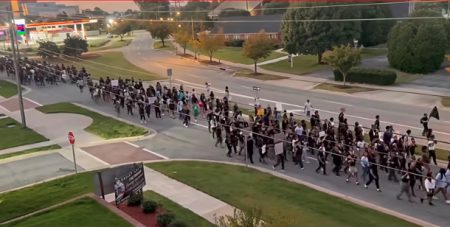
North Carolina A&T students marched 45 minutes to reach an early voting location.
When early voting began on October 15, 2026, hundreds of college students in Greensboro, NC turned a trip to the polls into a demonstration of civic commitment.
Students from North Carolina A&T State University, UNC Greensboro, and Bennett College walked approximately 45 minutes to reach an early voting location after on-campus voting sites used during the 2024 general election were not included in this year’s early voting plan. Local reporting described more than 100 students making the journey on the opening day of voting.
The image is a powerful one. Young people carrying water bottles, gathering friends, and making a lengthy walk in October heat to cast a ballot. Some were first-time voters. Others came determined to show that distance would not stop them from participating in the democratic process. One student told local public radio that voting was important because she wanted her voice to be heard.
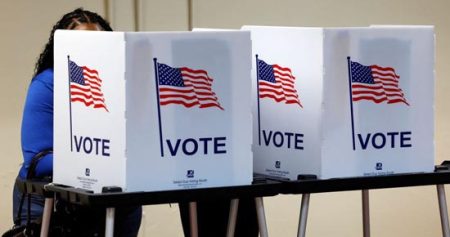
The story has drawn attention across North Carolina because access matters. Where polling places are located can affect participation, particularly for people who rely on walking, public transportation, or shared rides. For college students balancing classes, jobs, family responsibilities, and campus life, convenience is often a practical part of exercising the right to vote.
The march followed decisions by the Guilford County Board of Elections and the Republican-controlled North Carolina State Board of Elections to reject on-campus early-voting sites at NC A&T and UNC Greensboro for the 2026 election. The county board voted 4–1 in July, followed by a 3–2 vote along party lines by the state board in August. For some NC A&T students, the alternative voting location requires a walk of approximately 45 minutes each way.
The dispute over polling locations has become part of a larger debate about voter access. Supporters of restoring campus voting sites argue that students should have convenient opportunities to vote where they live and study. Election officials and others involved in the process have noted that North Carolina A&T and UNC Greensboro historically did not serve as early voting sites during midterm election years, even though both campuses hosted sites during the 2024 presidential election.
Whatever position people take in that debate, the students’ response was unmistakable. They organized, they showed up, and they voted.
That carries particular significance at North Carolina A&T, the nation’s largest four-year historically Black college and university. HBCUs have long been connected to voter registration drives, civil rights activism, public leadership, and community engagement. Generations of students have viewed civic participation as both a right and a responsibility.
Democracy is often discussed through election results, campaign ads, and political strategy. Sometimes its most meaningful moments look much simpler. They look like students walking across a city because participating matters.
The Greensboro students did more than reach a polling place. They delivered a message that could be heard across the state: when we believe our vote has value, we are willing to walk miles to cast it.