Seeing the World As It Truly Is
A map can reshape how we understand one another.
Africa has always carried a quiet weight in the world, even when the maps on classroom walls tried to tell a different story.
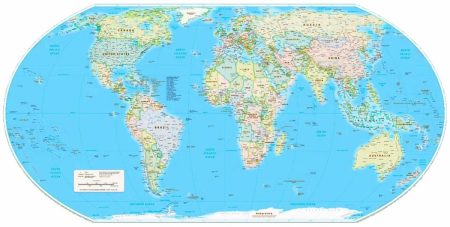
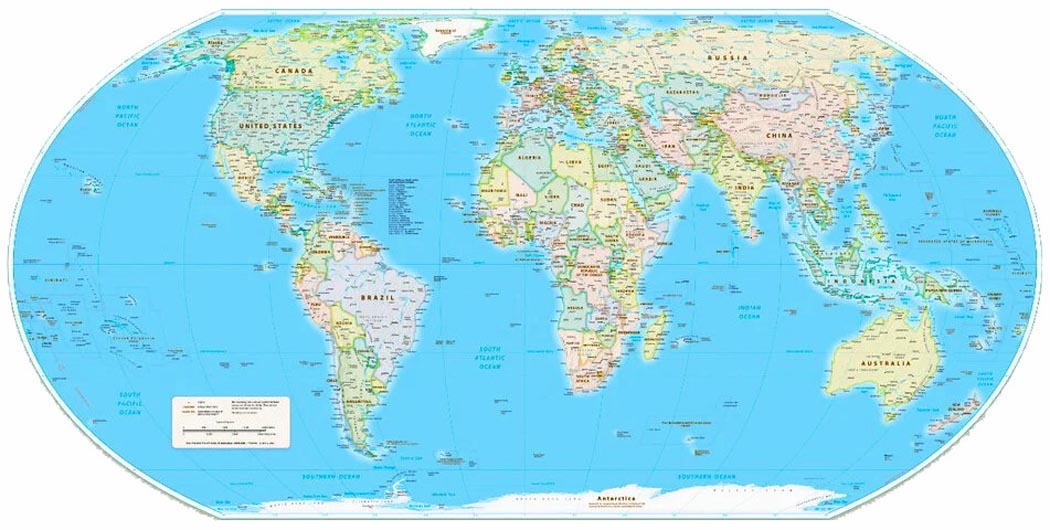
For generations, the Mercator projection stretched the northern hemisphere wide and tall, while shrinking the Global South into something small. Children grew up believing Europe was enormous, the United States was vast, and Africa was almost an afterthought. A continent full of nations, languages, histories, and futures was reduced to a narrow shape at the bottom of the page.
That distortion didn’t stay on the paper. It settled into the imagination. It shaped how people talked about Africa, how they valued its contributions, and how they understood its place in global life. A map became a kind of quiet teacher, repeating the same lesson year after year: some places matter more than others.
This summer, the United Nations General Assembly took a step toward correcting that story. In New York City, representatives from around the world voted to encourage the use of maps that show Africa at its true scale. The vote wasn’t close. One hundred and sixty‑four nations said yes. Only one nation said no, America. This vote was a symbolic gesture, not a binding rule, but symbols matter. That vote showed us that the world is ready to acknowledge the truth about Africa.
 Seeing Africa at its real size changes something inside you. It becomes clear that this continent is not small, not marginal, not secondary. It is enormous. It is central. It is foundational to human history and to the future we are all building. When Africa is drawn honestly, it is easier to see it as a mighty nation.
Map projections have always carried cultural power. They decide what sits at the center, what stretches across the page, and what gets tucked into a corner. They influence how students imagine distant places and how nations imagine themselves. When a map distorts the world, it distorts our sense of one another. When a map tells the truth, it opens the door to a more balanced understanding.
The vote at the UN doesn’t force any country to change its maps. It doesn’t rewrite textbooks overnight. But it does invite the world to look again, to reconsider what we’ve been taught, and to choose a more honest way of seeing. It asks us to recognize that representation is not a small thing. It shapes how we talk, how we teach, and how we relate across borders.
A map is never just a map. It is a story about who we are to each other. And when that story becomes more accurate, more generous, and more aware, the world is given an opportunity to embrace our history.