Culture Fragments™ – Before We Build, Let’s Listen
Who gets to define Asheville’s culture?
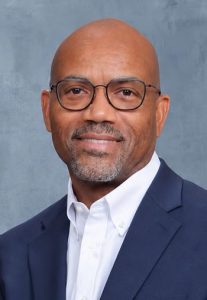
by Otis T. Lindsey, Jr. –
In the previous installment, I argued that the people who live it, sustain it, and carry it forward should define it together.
That includes residents who experience the city every day and Asheville natives whose lives have taken them elsewhere. Before proposing what Asheville’s cultural future should look like, we need to understand what people value, what they believe is missing, and what they hope becomes possible.
My own questions began after attending the Rooted in Resilience conference at the YMI Cultural Center and walking to Junior’s Barbershop on Eagle Street. Those places prompted reflections about culture, community, and economic opportunity. But my experience is one starting point. Someone else’s Asheville may center on a church, a school, a neighborhood gathering, a family business, or a tradition that continues far from the city.
A young person preparing to leave may see possibilities and barriers differently from someone returning after decades away. A longtime resident may remember places a newcomer has never encountered. Each perspective can reveal something that a familiar public image leaves out. Listening requires room for those differences.
The LINDEX Ashevillianity Culture and Belonging Questionnaire is now available online. Residents and Asheville natives living elsewhere are invited to contribute their perspectives. The questionnaire opens a conversation about cultural identity, belonging, and Asheville’s future. What people, places, and traditions matter to you? What has sustained your connection? What would you like future generations to inherit—and have room to create? You can participate on your phone or computer by going to survey.lindex.ai/ashevillianity.
Making the questionnaire accessible is one step. Reaching people whose experiences rarely enter public discussions requires deliberate outreach. Neighborhood groups, barbershops, salons, churches, cultural organizations, and local businesses can help circulate the link. Readers can also share it with family and friends who have moved away but remain connected to Asheville.
Participation is voluntary. Responses will reflect those who choose to participate and cannot represent everyone. Recognizing that limit can help identify whose perspectives still need to be heard.
The responses will help inform the Ashevillianity white paper, which explores how cultural identity connects with community economic development. That includes questions about who owns cultural spaces, who benefits from local business opportunities, and what helps people maintain their ties to a community. Listening can help clarify which possibilities people value and what would make participation worthwhile.
The work should include sharing emerging themes, acknowledging disagreements, and explaining how responses influence the research. Asheville’s culture lives in many places and travels with people who leave. Understanding it requires a conversation broad enough to hold those experiences. Before we build, let’s listen. What shaped your Asheville—and what would you like to help shape next?
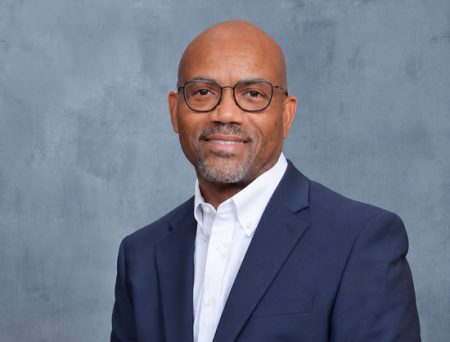
Otis T. Lindsey Jr. is the Founder and CEO of LINDEX, LLC, a civic intelligence and community analytics firm focused on measuring community vitality and transforming data into actionable insights. He holds degrees in Economics and Community Economic Development and has spent more than 25 years working in housing, economic development, and community revitalization.
He is the creator of the Vitality Ecosystem Theory (VET) and the Vitality Ecosystem Index (VEI), frameworks designed to help communities measure, mobilize, and transform local assets. Through the Culture Fragments™ series, he explores the people, places, and institutions that shape community identity and opportunity. Visit www.lindex.ai.