When the Storm Hits, Justice Shouldn’t Be Optional
Building fair protection before the next disaster arrives.
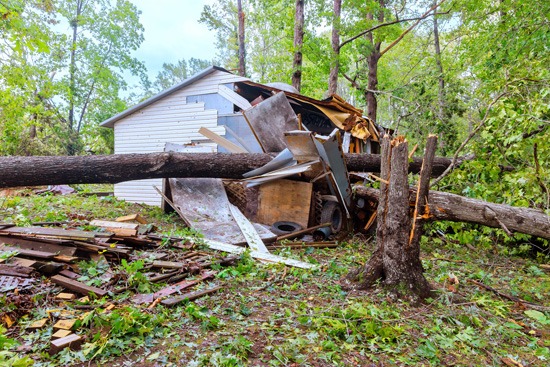
When Hurricane Helene swept through Asheville in 2024, it left more than broken roads and flooded homes.
It left a feeling many people in our community know too well—that when disaster strikes, help doesn’t always arrive in time, and it doesn’t always reach the people who need it most.
Families waited weeks for adjusters. Small businesses struggled to reopen. Renters lost everything and had no clear path to recover. The storm revealed how uneven our safety nets can be, especially for those already carrying the weight of economic or racial inequity.
In moments like these, insurance is supposed to be a bridge back to stability. But too often, it becomes another hurdle. That’s why a different kind of coverage, called parametric insurance, is beginning to draw attention.
It offers a simple promise: when a specific event happens—a river rising past a certain point, or winds reaching a certain speed—the payout is automatic. No paperwork. No arguments. No waiting for someone to decide whether your loss “counts.”
What is Parametric Insurance?
Parametric insurance is a type of coverage that pays out automatically when a specific event or condition occurs, such as a certain level of rainfall, wind speed, or earthquake magnitude. Instead of assessing individual losses through claims and paperwork, the payout is triggered by measurable data points, making the process faster and simpler.
This means that when the agreed-upon event happens, the insured receives funds quickly without delays or disputes, helping communities and businesses recover more efficiently.
For communities still healing from Helene, this idea feels both practical and humane. It recognizes that when a storm hits, people don’t need a debate. They need support.
New technology is making this approach even more powerful. With better weather data and AI tools that read conditions in real time, payouts can be triggered quickly and accurately. In the best version of this future, families, small businesses, churches, and nonprofits could receive help within days instead of months. That kind of speed can mean the difference between reopening or closing for good, between staying housed or falling into crisis.
But as hopeful as this model is, it also raises important questions about fairness. Not every neighborhood has the same level of weather monitoring. Not every community is represented equally in the data that AI systems rely on.
If we aren’t careful, the same people who have been overlooked in traditional insurance could be overlooked again. Justice doesn’t happen automatically. It has to be built into the system from the start.
As Asheville continues to rebuild, we have a chance to think about what real protection looks like. Parametric insurance won’t solve every challenge, but it could become one piece of a stronger, more equitable safety net—one that doesn’t leave renters behind, doesn’t burden elders with paperwork, and doesn’t force small businesses to shoulder the cost of climate disasters alone.
Helene taught us that storms will keep coming. The question is whether we will keep relying on systems that leave so many people waiting in the dark, or whether we will choose something better.
A community as resilient and creative as ours deserves tools that match its spirit—tools that respond quickly, treat people with dignity, and recognize that recovery should not depend on privilege or luck.
When the next storm arrives, justice shouldn’t be optional. Fairness and timely support must be guaranteed for everyone, without delays or barriers. Disaster assistance should already be in place, ready to meet us with the care and urgency every person deserves.