Culture Fragments™ – Junior’s Barbershop
Stories beneath the surface of Asheville from Otis T. Lindsey, Jr.
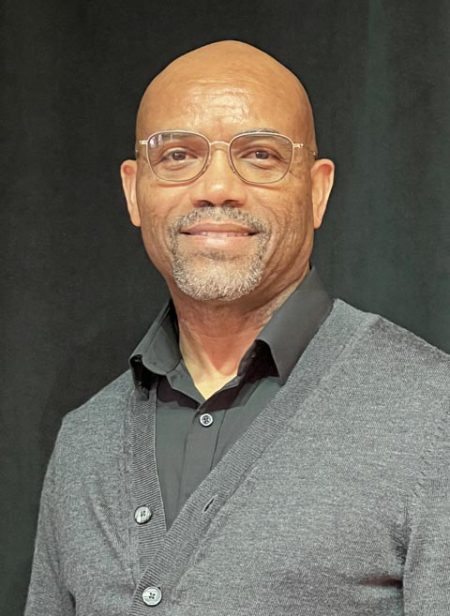
By Otis T. Lindsey, Jr. –
There are some places in a community that function as more than a business.
They become gathering places, and informal civic centers where people quietly interpret what is happening around them. For generations within African American communities, the neighborhood barbershop has often been one of those places.
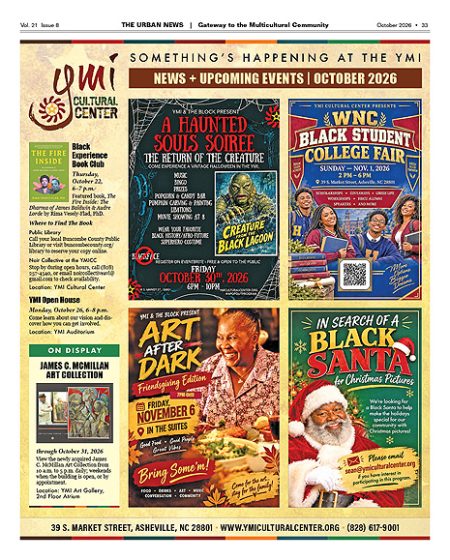
During a recent visit to Asheville, I stepped away from an event at the historic YMI Cultural Center and walked up Eagle Street to visit my cousin, Oscar Williams—better known to many simply as “Junior”—at Junior’s Barbershop.
The walk itself felt symbolic.
For many African American families in Asheville, places like Eagle Street represent more than geography. They carry memory, continuity, and evidence of communities that built identity and belonging long before Asheville became a nationally marketed destination.
Eagle Street Carries History Beneath its Pavement
Long before Asheville became nationally recognized for tourism, food culture, breweries, and mountain aesthetics, this corridor represented a thriving center of African American enterprise, culture, and community life. Businesses, churches, social spaces, and institutions once formed a connected ecosystem of belonging and participation.
Today, Asheville is still widely viewed as vibrant and progressive. New restaurants continue opening. Downtown development expands. Tourism flourishes. The city’s national image remains tied to the creative, culture, and economic growth.
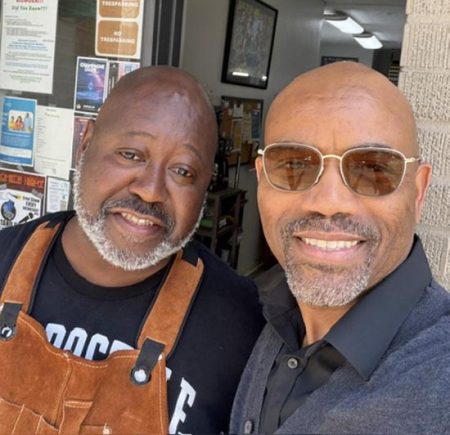
But inside Junior’s Barbershop, the conversation moved beneath Asheville’s public image.
Junior spoke honestly about change in the city and the growing feeling among some longtime residents that they are becoming increasingly disconnected from the Asheville they once knew. Yet this concern was not simply about displacement. It was about participation.
He emphasized that natives and long-standing community members cannot afford to become passive observers of Asheville’s transformation. In his view, preserving community requires more than remembering what once existed. It requires continuing to contribute—through talent, mentorship, and civic engagement.
Junior’s concern was not rooted in resentment toward growth itself. He understood that cities evolve. His deeper concern was whether longtime residents still believe they had a meaningful place within Asheville’s future—not simply as memories of the city’s past, but as active participants helping shape what the city becomes next.
That conversation stayed with me.
Sometimes communities communicate important truths long before official reports, studies, or political debates fully recognize them.
In many ways, barbershops have always served as informal observation posts within African American communities. They are places where people exchange more than stories. They exchange interpretation. Concerns about affordability, opportunity, belonging, safety, leadership, and cultural identity often surface there long before they appear in institutional language.
What struck me most was the tension beneath the conversation.
Asheville’s growth is visible. But questions about who fully participates in the growth are less visible.
Who still feels rooted in the City’s future? Who feels heard? Who feels increasing overlooked within Asheville’s evolving identity?
These are not merely economic questions. They are civic and cultural questions as well.
Walking back down Eagle Street, I was reminded that cities often communicate beneath the surface of official narratives. Sometimes the most important signals about a community’s future are found in ordinary conversations between people trying to understand what their city is becoming—and whether they still belong within that future.
Perhaps that is why places like Junior’s Barbershop still matter so deeply.
In a rapidly changing city, spaces like these continue to give people room to reflect, question, interpret, and remain connected to one another. They preserve something increasingly difficult to measure in modern civic life: the feeling that ordinary voices still matter.
Not simply because haircuts happened there. But because conversations do.
Otis T. Lindsey Jr. is the Founder and CEO of LINDEX, LLC, a civic intelligence and community analytics firm focused on measuring community vitality and transforming data into actionable insights. He holds degrees in Economics and Community Economic Development and has spent more than 25 years working in housing, economic development, and community revitalization.
He is the creator of the Vitality Ecosystem Theory (VET) and the Vitality Ecosystem Index (VEI), frameworks designed to help communities measure, mobilize, and transform local assets. Through the Culture Fragments™ series, he explores the people, places, and institutions that shape community identity and opportunity. Visit www.lindex.ai.