The Power of Poetry
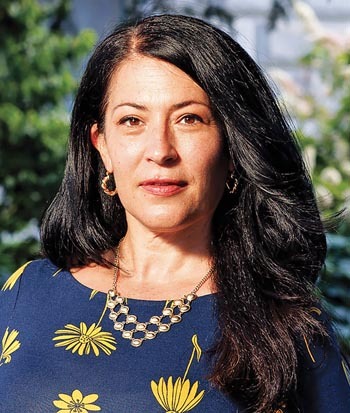
Ada Limón, the 24th Poet Laureate of the United States, invites us to see poetry as a source for healing.
By Ebony Emerson –
In her new book, Against Breaking, poetry becomes a force for healing, a call to action, and a vibrant celebration of humanity’s many voices.
Ada Limón believes that poetry “has the ability to heal, connect, and remind us of our shared humanity.”
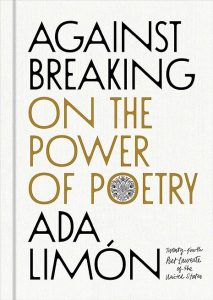 Her vision of poetry is expansive. It is a soothing balm and a spark for transformation, a place where tenderness and courage coexist. Drawing from her experiences as poet laureate, she shows how poetry connects us not only to one another but to the natural world. This is central to her project You Are Here, which celebrates the beauty of our environment and our place within it. Her prose, like her poetry, feels like an open invitation, welcoming readers of all backgrounds to explore the richness of human experience through verse.
To read Limón is to be reminded that poetry is essential to understanding our imperfections, our resilience, and our deep, unshakable worthiness of love.
A Book That Knows What It Means to Hold So Much
If Against Breaking shows us poetry’s power, The Carrying shows us how poems can sit with us in the hardest moments without flinching or turning away. Limón’s collection “understands the weight people live with” and refuses to rush past the difficult parts. Instead, it stays steady and open, “the way a trusted elder might sit beside you on a porch when life has worn you thin.”
Instructions on Not Giving Up
Ada Limón reads a poem from her book “The Carrying.”
What gives The Carrying its quiet strength is Limón’s attention. She notices the body in all its truth—the aches that linger, the breath that steadies, the longing that rises even when we try to push it down. She notices the land, too: plants, storms, horses, seeds, seasons. These aren’t metaphors to decode. They’re companions; reminders that life is shared work even when we feel alone.
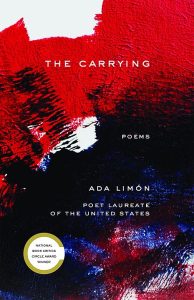 Many readers will recognize themselves in these poems. They speak to those who have learned to hold joy and sorrow at the same time, who keep reaching for light even when the reaching is slow.
Limón writes about illness, infertility, family, and the fragile hope of wanting a future that feels safe. She turns to the natural world not as escape but as teacher—a tree that bends without breaking, a seed that waits for the right season, a body that keeps breathing even when the heart is tired.
What rises again and again is compassion. Limón never pretends healing is simple or the world gentler than it is. But she shows how tenderness can be a form of strength, how noticing the world—really noticing it—can help us stay rooted. Choosing to love, even in uncertain times, becomes its own kind of courage.
The Carrying reminds us that our burdens don’t make us weak. Our stories matter. And the small, daily acts of care we offer ourselves and each other are part of how we survive. Limón’s poems offer a quiet invitation: to breathe, to look around, to keep going, and to remember that we don’t have to carry our lives alone.