The Bias Inside Us
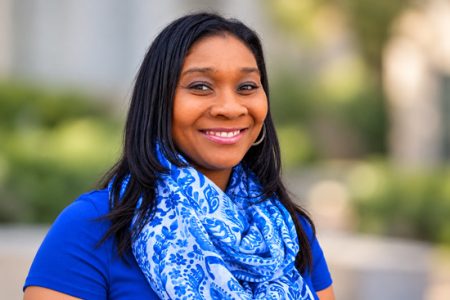
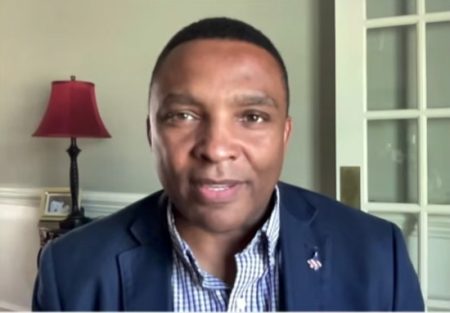
Our world is structured in ways that reinforce and reflect systemic bias. But change is possible.
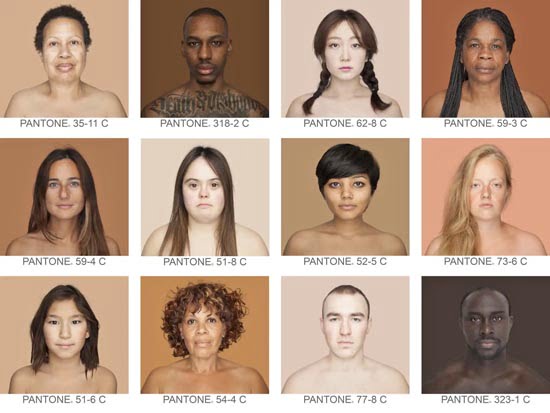
Learn how to #RetrainYourBrain in this new online exhibition!
It can be hard to overcome bias when it’s baked into so much of the world around us, from the products we use every day to systems that keep unequal treatment in place.
If you’re human, you’re biased. But the real question is: what do we do about it? Every brain develops its biases from the environment. But bias does not dictate our destiny.
We can all be kind and well-intentioned humans. At the same time, we can all be biased.
Bias is a process initiated even before we are born. It is a process of learning about the structures and associations embedded in the world around us.
No one is immune to bias in our culture. This means that bias can be internalized, even by the groups that are targeted with injustice. When we don’t pay attention to our bias, we’re in trouble. Biases left unchecked can have serious consequences. They can become entrenched in our systems and our patterns of life.
Try to solve this riddle: A father and his son are in a terrible car accident. The father is pronounced dead at the scene but, miraculously, the son is rushed to the hospital with life-threatening injuries. At the hospital, the surgeon looks at the boy and proclaims, “I can’t operate on this boy, he’s my son.” How could this be?
In a recent study, only about 20-30% of people were able to come up with the answer. Several answers are possible: the surgeon is the son’s mother, the boy could have two dads, or the surgeon could be the boy’s step-dad.
Our world is structured in ways that reinforce and reflect systemic bias. But change is possible. Every big institutional structure was built and can therefore be rebuilt. It will take work. but we can change for the better to make sure we move in the direction of a safer and more equitable society.
The Bias Inside Us offers videos, easy to understand examples, and interactive screens that can help reveal our implicit biases. View the exhibition online at biasinsideus.si.edu.
The Smithsonian Institution is committed to leading and encouraging civil dialogue on important issues facing our nation. The Bias Inside Us is a community engagement project and exhibition.