Norovirus Reported in Buncombe County
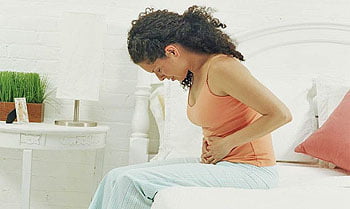
Reports of norovirus-like symptoms have recently circulated in Buncombe County.
According to Buncombe County Health and Human Services (BCHHS) officials, simple steps can protect you and prevent the spread of norovirus within our community.
Norovirus is a highly contagious virus that causes gastroenteritis, an illness that usually involves vomiting and diarrhea. The federal Centers for Disease Control and Prevention (CDC) reports that it is the most common cause of acute gastroenteritis in the United States, responsible for approximately 20 million illnesses each year that result in 56,000 – 71,000 hospitalizations and as many as 800 deaths reported annually. The virus can spread quickly in closed and crowded environments such as hospitals, nursing homes, childcare centers, schools, cruise ships, and food service settings like restaurants.
Symptoms usually begin 12 to 48 hours after the person has been exposed to the virus and last one to three days. The most common symptoms include vomiting, nausea, diarrhea, and stomach cramps. Other symptoms may include low-grade fever, headache, and body aches. Norovirus symptoms can lead to dehydration, especially in young children, older adults, and people with other illnesses. There is no vaccine or medicine to prevent or treat norovirus, so prevention is essential to containing norovirus.
The virus may be found in body wastes, and infected persons can still be contagious up to two weeks or more after recovery. Infection can be transmitted through direct contact with an infected person, ingesting contaminated food liquids, or touching contaminated surfaces or objects and then touching the mouth.
BCHHS Medical Director Jennifer Mullendore, MD, states, “One of the most important things you can do to avoid norovirus and other illnesses is to wash your hands frequently with soap and running water for at least twenty seconds. This is especially important after using the bathroom, changing diapers, and before preparing or eating food. Hand sanitizers are not effective against norovirus.”
Anyone with norovirus should drink plenty of liquids to replace fluid lost from throwing up and diarrhea. Sports drinks and other drinks without caffeine or alcohol can help with mild dehydration but might not replace important nutrients and minerals. Over-the-counter “oral rehydration fluids” are most helpful for mild dehydration; severe dehydration may require hospitalization for treatment with intravenous (IV) fluids.
Signs and symptoms of dehydration include dry mouth, no tears when crying, less frequent urination, dark-colored urine, and dizziness. If you believe you or someone you care for is severely dehydrated, call a medical provider.
How to avoid getting sick with norovirus infection or spreading it to others:
- Wash your hands carefully with soap and water, especially after using the toilet and changing diapers and always before eating or preparing food. Hand sanitizers are not effective against norovirus.
- Carefully rinse fruits and vegetables, and cook oysters and other shellfish thoroughly before eating.
- Do not prepare food while you are sick. People with norovirus illness should not prepare food for others while they have symptoms and for at least two days after they recover from their illness.
- Clean and disinfect contaminated surfaces after throwing up or having diarrhea, using a bleach-based household cleaner as directed on the product label. If no such cleaning product is available, you can use a solution made with 5 – 25 tablespoons of household bleach mixed in 1 gallon of water.
- Wash laundry thoroughly. Handle soiled items contaminated with stool or vomit carefully—try not to shake them to avoid spreading virus. If available, wear rubber or disposable gloves while handling contaminated clothing or linens, and wash your hands after handling. Wash these items with detergent at the maximum available cycle length and then machine dry.
- Stay home from work, school and all other activities if you are sick with any illness.
For more information about norovirus, visit www.cdc.gov/norovirus.