N.C. DHHS Cautions Against Sharing Diabetic Care Equipment
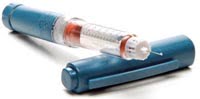
Raleigh, N.C. – Public health officials from the N.C. Department of Health and Human Services are cautioning diabetic patients to protect themselves against the risk of disease transmission from shared insulin pens. This warning comes after the recent report of insulin pens being used on more than one patient at a North Carolina-based veterans hospital as well as two New York hospitals recently.
Insulin pens are designed to be used multiple times, but for a single patient use only. Because blood can flow back into the insulin reservoir during an injection, there is a risk of a disease transmission if the pen is used for more than one person, even when the needle is changed.
“In North Carolina, nearly 1 in 10 adults has diabetes,” said State Health Director Laura Gerald, M.D. “It is never safe to share insulin injection devices, even between family members. When supplies are shared between people, the blood glucose testing and insulin equipment can expose people to blood-borne viruses like hepatitis B virus, hepatitis C virus, and HIV. It is important for patients and caregivers to learn how to manage their disease and how to perform injections safely.”
Dr. Gerald especially urges diabetic individuals or family members of those who live in controlled care environments like hospitals, assisted living or nursing homes to ask if their caregivers are following recommended safety procedures for any injections, whether for diabetes or other procedures. When medical equipment used to penetrate the skin is used by more than one person, there is a risk of transmission of infections, even when the infection is unapparent, undiagnosed or unknown to the affected person.
To prevent infections, the N.C. DHHS Division of Public Health urges all health care providers and the public to follow three rules for safe diabetes care:
1 Fingerstick devices should never be used for more than one person
2. Blood glucose meters should be assigned to only one person and not be shared
3. Injection equipment should never be used for more than one person.