What is Essential?
 It is up to each state to decide which businesses can remain open during the coronavirus pandemic.
The lists of essential businesses are mostly the same: Health care services, grocery stores, and gas stations can remain open. But because it’s up to the states, there are bound to be differences among them — and many lists are changing as the pandemic goes on.
Stores selling marijuana, guns, and liquor have been deemed essential by many states during the coronavirus crisis. Even some golf courses have remained open during the pandemic.
Bars, restaurants, and other public gathering places have been closed around the country in an effort to prevent the spread of the disease. However, each state has chosen which businesses and services can remain open.
States such as California and Washington say cannabis stores should stay in business. Marijuana sales surged in California after a stay-at-home order was issued, according to The New York Times.
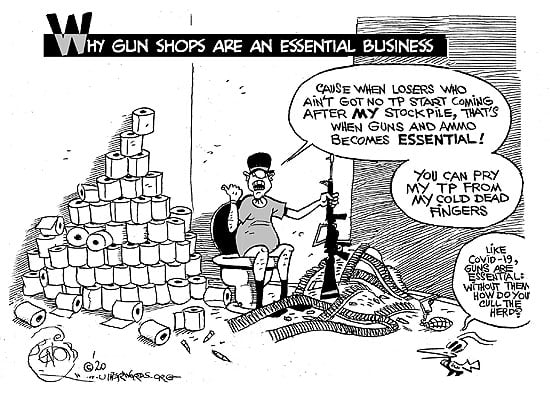 When firearms didn’t make Pennsylvania’s list of essential businesses, locals flooded state gun stores to stock up before they shut indefinitely. The governor later updated the state’s list of “life-sustaining businesses” to include gun stores.
Gun stores and golf courses have stayed open in Arizona, while the state’s national parks are closed.
The city of Denver said pot shops and liquors stories were not essential, but that decision was reversed after protests, according to The Times. Florists stayed open in Delaware, but not dog groomers, according to the Washington Post.
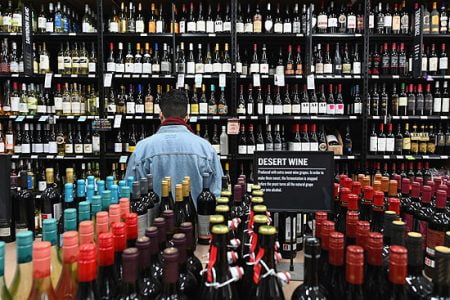
Many, if not most, liquor stores in Washington state are considered “essential businesses” and can stay open. Liquor stores stayed open in Delaware due to health concerns. “We are all concerned that closing liquor stores could have an adverse impact on those struggling with substance use related to alcohol,” said Jennifer Brestel, the state’s Department of Public Health spokesperson.
Brestel continued, “There are concerns about individuals experiencing severe withdrawal symptoms turning to unsafe and unhealthy alternatives in an attempt to get the same affect they would get from consuming alcohol. It could also result in a surge of individuals seeking care at the emergency departments to manage withdrawal symptoms.”
Countries including India and U.S. states are listing the information technology sector as essential. The world’s dependency on the internet has become even more apparent as countless people confined to their homes communicate, stream movies and play games online to stave off cabin fever.
In France, shops specializing in pastry, wine and cheese have been declared essential businesses. Italy has the most stringent rules, with only essential businesses such as food shops and pharmacies remaining open. In Israel people can gather for outdoor prayers — with a maximum of 10 worshipers standing 2 meters apart – and demonstrations are also allowed.
In China, authorities closed most businesses and public facilities beginning in late January but kept open hospitals, supermarkets and pharmacies. Truck drivers delivering food, disinfectant and medical supplies to locked-down cities were hailed as heroes.
“In times of uncertainty, institutions and practices that are central to cultural identities can become really important touchstones — material markers of certainty, comfort, and mechanisms to persist,” said Aimee Huff, a marketing professor at Oregon State University who specializes in consumer culture.
Non-essential surgeries have been put on hold in an effort not to overwhelm health care workers. In Texas and Ohio, two states that moved to restrict abortion access before the pandemic, abortions may be considered non-essential.