Interview with Dr. Dolly Jenkins-Mullen
Reflects on education, public service, and the fight for Women’s and Africana studies.
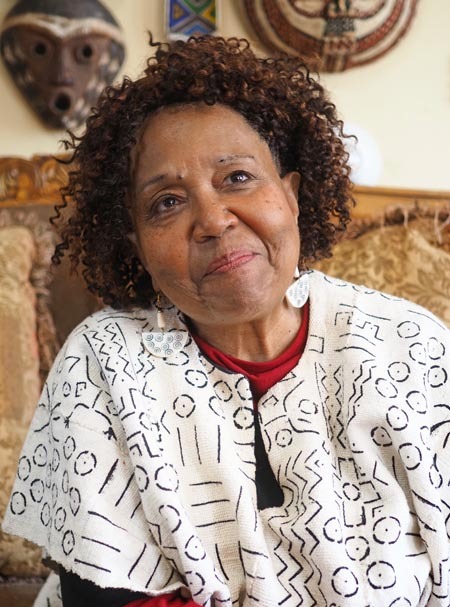
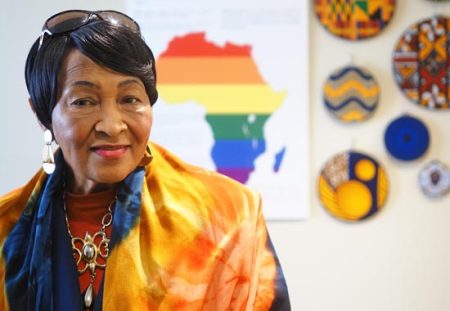
Photo: Renato Rotolo/The Urban News
Q: Can you tell us about your educational background and how it shaped your career?
Dr. Dolly Jenkins-Mullen: I earned my undergraduate degree in Political Science from Morgan State University, and my doctorate from Clark Atlanta University. My education opened doors that led me to teach in Africa at universities in Nigeria and Malawi.
Eventually, I concluded my professional career at the University of North Carolina at Asheville, where I served as Chair of the Department of Political Science and Associate Professor of Africana Studies. When I retired, I was honored with the title of Associate Professor Emerita in recognition of my contributions to the campus and the broader community.
Q: Beyond the university, how have you been involved in the Asheville community?
DJM: Public service has always been important to me. I served as Vice Chair of the Asheville City School Board and have held several appointments on boards and task forces in the City of Asheville and Buncombe County. Today, I remain committed to the success of The PEAK Academy and to initiatives that support students and families in our community.
Q: Women’s issues have been a recurring theme in your work. How did that interest develop?
DJM: The roles of women in Asheville-Buncombe County, the United States, and in several African nations have always been prominent in my professional life. As a teen mother, I personally experienced conditions created by unjust public policies and practices.
Those experiences motivated me to work toward understanding and addressing inequities. That commitment continues to guide my work, even as I remain deeply proud of my family—my four children and five grandchildren—whose lives reflect the guidance and love that sustained us.
Q: How did that focus influence your teaching and scholarship?
DJM: My interest in women’s issues eventually narrowed to the experiences of African American women, particularly in North Carolina and Asheville. That focus became central to many of the classes I taught.
Through scholarship and teaching, I wanted students to understand the historical and social forces that shape people’s lives and communities.
Q: You’ve spoken out about recent challenges facing Africana Studies and related programs. What concerns you most?
DJM: The current attacks on courses in Africana Studies, Women’s Studies, and other classes identified with diversity, equity, and inclusion are deeply troubling. My husband, Dr. Dwight Mullen, and I team-teach Introduction to Africana Studies—one of the courses currently under scrutiny. People must understand the level of dedication university professors bring to their fields. The scholarship that informs these courses often takes decades to develop.
Q: How do these developments affect you personally and professionally?
DJM: For many of us—especially Black women who have worked tirelessly to enter and succeed in academia—these challenges feel deeply personal. The effort required to build a career in this profession is immense. When courses like these are targeted, it can feel like an assault not only on our scholarship but also on our personal lives and our long-standing commitments to the communities we serve.