Debt Ceiling Agreement Bad News for Some NC Blacks
New work requirements for those enrolled in the SNAP program.
By Cash Michaels –
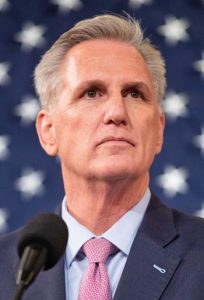
After much back-and-forth, with threats of catastrophic economic collapse, Pres. Biden and Republican House Speaker Kevin McCarthy finally came to an agreement to raise the federal debt ceiling.
That agreement, which increases the credit limit for the nation to pay its bills, passed both houses of Congress, and was signed into law by Biden on June 3, 2023. Observers are touting how widespread economic disaster has been averted.
But for African Americans struggling in poverty, especially in North Carolina, the agreement has made their lives worse.
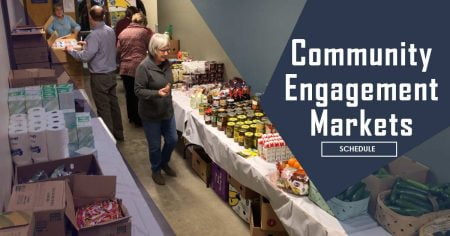
Among several policy concessions, McCarthy was able to force the president to agree to new work requirements for those considered “able-bodied” enrolled in the Supplemental Nutrition Assistance Program (SNAP), more commonly known as food stamps.
Under the new rules, the age of SNAP participants who need to provide proof of work has been raised from 18-49 to 18-54, reports NBC News, meaning “…many poor people in their early 50s without disabilities or dependents to care for could become ineligible or face new bureaucratic hurdles in proving they qualify.”
Critics, like Derrick Johnson, pres./CEO of the NAACP, were not pleased.
“The debt ceiling should never be used to pass legislation that would fail to stand on its own merit,” Johnson said. “The NAACP demands that Congress and the Administration end the use of the debt ceiling as an exercise in legislative hostage-taking. The well-being of Black Americans and vulnerable people should never be negotiated.”
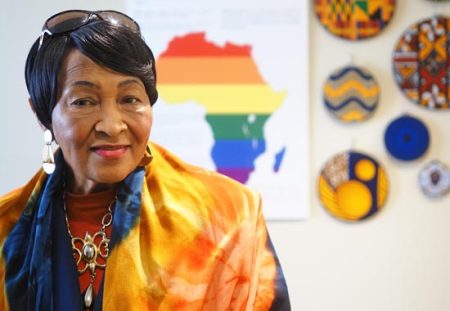
Democrats in Congress, like Rep. Alma Adams (D-NC-12), were also unhappy with the cost of debt ceiling compromise.
“My values inform my belief that no person in the United States should go hungry. Every American benefits from programs like SNAP and TANF (Temporary Assistance for Needy Families), even if we never use them. Because the debt ceiling legislation adds additional red tape to food security programs, I struggled with this vote,” Rep. Adams said in a statement after the US House ratified the agreement and sent it to the Senate for final passage.
“However, if Congress doesn’t raise the debt ceiling, the subsequent financial crisis would create many more hungry families than there are now,” Adams continued. “The financial crisis caused by a default would be worse for American families than anything in this bill. A default would hit especially hard in cities like Charlotte, where the financial sector is a major employer.”
Ninety-two percent of SNAP benefits go to households with incomes at or below the federal poverty line, states the US Dept. of Agriculture (USDA). Per its latest report in 2019, whites are 37%, African Americans are 26% of SNAP recipients. One third of SNAP households have earned income, with the average monthly gross income at $872, and a net income of $398.
According to the US Census, in 2020, per the percentage of individuals receiving select social safety net benefits, 23.3% were Black nationally (over three percent less than what USDA reported for 2019).
In North Carolina, 1.6 million residents (15%) of the state’s population (1 in 7) were on SNAP in fiscal year 2022, according to the Center on Budget and Policy Priorities.
Over 69% of SNAP participants are families with children, 33% are families with older adults or are disabled, 43% are working families. In North Carolina, 35% are families with income at or below the poverty line.
To be clear, many conservative Republicans didn’t think the debt ceiling agreement went far enough in imposing new restrictions on the poor, and threatened that Speaker McCarthy would politically pay for the deal.
In North Carolina, the Republican Party drew fire for attacking Bishop William Barber, co-convener of the national Poor People’s Campaign, on Twitter last week, by referring to the civil rights leader as a “poverty pimp” because he was holding a rally in Durham with Sen. Bernie Sanders to demand raising the minimum wage to a living wage.
Bishop Barber refused to get into a rhetoric tussle with the NCGOP on Twitter, instead telling the News and Observer, “I want to talk about North Carolinians, about the fact that 2 million people in this state make less than a living wage. I want to talk about all the people who don’t have health insurance and die because of it.”
“Over and over again, the Scriptures tell us not just as individuals, but as a government, we’re supposed to care for the least of these,” Bishop Barber continued.
“I’m not interested in a Twitter fight, or calling folk names. People are dying. Poverty is killing people. We can’t afford to ignore this.”