A Conversation with Jesse Junior: A Newcomer Speaks About Asheville
 |
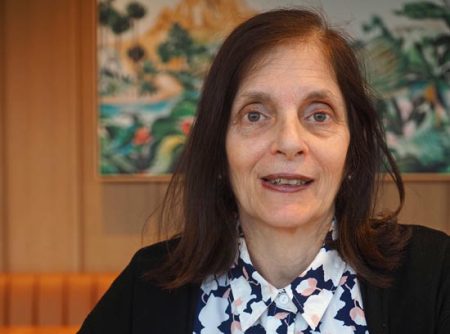
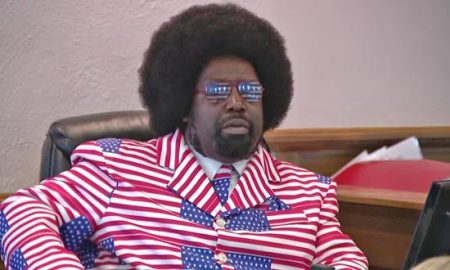
| Jesse Junior, radio show host, and community advocate. Photo: Urban News |
from staff reports
Reared in Milwaukee, WI, Jesse Junior was not someone you would call a shrinking violet. After a stint in the military, and retiring from law enforcement in New York City, Junior made a number of stops in different cities before moving to Asheville. Upon his arrival he quickly became involved in the community, often in a very public way.
It’s not uncommon to pick up a local newspaper and read his letters and op-ed columns. The Urban News caught up with Jesse Junior to find out his reason for moving to Asheville, and here’s what he had to say:
“It was really serendipity that landed me here in Asheville; I was
looking at information about Asheville for someone else. I came to
Asheville, and I really liked what I saw. I love it here, and don’t
regret my move for one minute. My personal relationship with Asheville
is one of love.
“However, there are some things that I dislike. I dislike the
over-development here in Asheville, and I’m curious as to why people
want to reinvent the wheel. It’s a beautiful place, and it can continue
to be a beautiful place, but I saw the beginnings of some very serious
issues once I got here.”
“Having a background in law enforcement, and seeing some of the
same issue that I was addressing, and that I was aware of in other
cities, (especially in New York), it was troubling for me to see some
of those same issues pop up here in Asheville. For example, the
graffiti and gangs, coupled with the fact that the elected officials
really didn’t seem to have a handle on what they are dealing with. My
fear was that by the time they found out about it and addressed these
issues, it might have been too late.
“Recently there was mention of forming a gang task force, and
talk about how to solve the graffiti issues. Those are prime examples
of how a city begins to deteriorate. When you see those things happen,
they’re a harbinger of other social ills that need to be addressed.
“When I write articles in the various publications addressing different
issues, it’s always been in an effort to keep those qualities that made
me want to come here, and to keep things the way they are. I have very
strong opinions. Not that I’m against progress, but I feel that we need
to address things a visionary way.”
Asked to expand on his vision, Jesse Junior says, “When you
start to bring in different components and interests, you just don’t
start building [any old] buildings. There are a lot of people and lives
involved. And affordable housing becomes an issue, there are a lot of
different dynamics to that.
“When you erect these buildings, you have to consider the
community that surrounds it. Who are the people that are going to be
working there, and is there going to be affordable housing for them? So
when you construct these types of building developments you have to
consider everything, not just the fact there’s going to be a building.
“Take, for example, the Ellington. What’s going to happen to the
community around it? Who are the people that will be working there? Is
there going to be affordable housing for them? Are they going to be
paid a livable wage? And for me, as an African American, I want to know
how many African Americans will be employed in executive positions in
these places? Will African Americans be relegated to making beds and
emptying garbage, or will we have a place at the executive table? Will
there be training programs for African American youth so they can
aspire to some of these top positions?
“I spoke to a gentleman, and I asked him about his on-going
major development. I asked why I never saw ONE African American working
on this project – not even holding a ‘stop and go’ sign!’ Issues like
this are what I feel very strongly about, and when I have an
opportunity to speak out about them – I will.”