Black Voters Help Drive Democratic Gains Across the South
Record turnout reshaped races from North Carolina to Georgia.
By Cash Michaels –
There was no finger-pointing directed at African American voters after last week’s midterm elections.
With Democrats posting major victories across North Carolina and the South, it became clear that Black voters were a key force behind the electoral wave that shifted power away from Republicans in several states.
According to WRAL-TV, “What North Carolina Republicans didn’t realize until Election Day, party insiders say, was how many Republican voters would stay home and how many unaffiliated voters would break for Democrats.”
Across the country, voters frustrated by Trump administration policies turned out in large numbers. Concerns about the Iran war, tariffs, inflation, and allegations of government corruption helped drive voter participation during both early voting and on Election Day.
For many Black voters throughout the South, voting rights also remained a major concern. Civil rights advocates criticized redistricting efforts in states such as Texas, Alabama, Louisiana, and Tennessee following recent court decisions that weakened key provisions of the Voting Rights Act.
“So much of what this administration has done has been to roll back the protections that give us access to the ballot, while simultaneously flooding us with propaganda that tells us that it doesn’t matter,” Nadine Smith, president and CEO of Color of Change, told The Guardian. “What you saw was Black voters showing up in the face of an administration that has spent two years attacking our rights, weakening voter protections, and redrawing maps specifically to diminish Black political power.”
“Once again, Black voters have proven that we are not bystanders in this country, we are its builders,” said Derrick Johnson, president and CEO of the NAACP. “The Trump administration tried every trick in the book to block voters from the polls, but we showed up and showed out, and we voted.”
In North Carolina, early voting numbers were especially strong. More than 2.8 million ballots were cast before Election Day, including 1,085,328 by Democrats, 738,748 by Republicans, and 995,434 by unaffiliated voters.
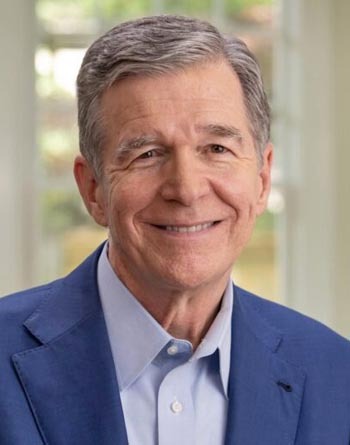
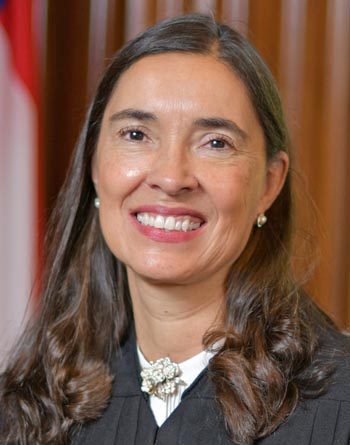
Black voters cast 599,251 of those early ballots statewide. North Carolina has more than 1.5 million registered African American voters. Those turnout numbers contributed to a night of significant victories for Democratic candidates. Former Gov. Roy Cooper won his race for the US Senate, while Associate Justice Anita Earls secured a second eight-year term on the North Carolina Supreme Court.
“It is the honor of my life to be elected to serve another term on the Supreme Court,” Earls said in a statement. “I am so grateful to everyone who worked so hard to make this victory possible. Thank you for your trust, North Carolina.”
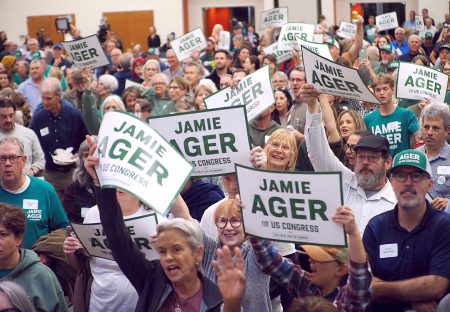
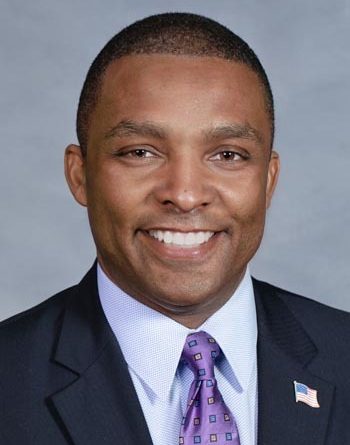
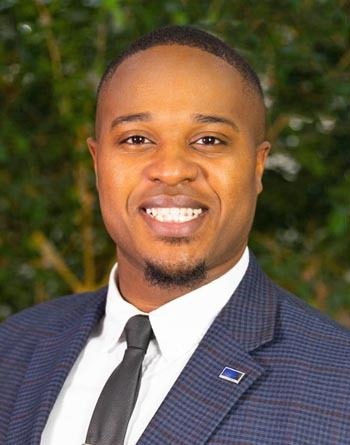
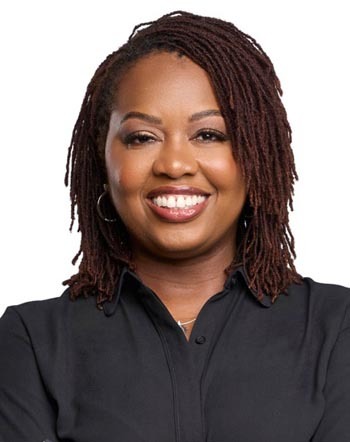
North Carolina’s three incumbent Black Democratic members of Congress, Don Davis, Valerie Foushee, and Alma Adams, all won reelection. They will be joined by two new Black Democratic representatives, LaKesha Womack (District 14) and Cyril Jefferson (District 6), as well as four more white Democrats who also flipped Republican districts: Raymond Smith (District 3), Richard Ojeda (District 9), Jamie Ager (District 11), and Paul Barringer (District 13).
Womack defeated first-term Republican Rep. Tim Moore in the 14th Congressional District. Jefferson, the mayor of High Point, unseated Rep. Addison McDowell in the 6th District, becoming the first African American to represent that district in Congress.
As a result of the election, Democrats will hold a majority of North Carolina’s congressional seats after January, reversing the delegation’s previous Republican advantage. The Fifth District race has not yet been certified by the NC Board of Elections, but with Chuck Hubbard has maintained a small (331 vote) lead over 20-year incumbent Virginia Foxx, making a recount almost certain.
Democrats also regained control of the North Carolina House for the first time in 16 years, winning 71 seats to the Republicans’ 48. One district was won by an unaffiliated candidate.
Rep. Robert Reives III of Chatham County, currently House minority leader, is widely considered the leading candidate to become speaker of the House. If elected, he would become only the second African American in state history to hold the position, following Daniel T. Blue Jr.
One Republican-held state Senate seat is still undecided, as election boards in three counties—Robeson, Hoke, and Burlington—count provisional ballots. The race will determine control of the state Senate; if incumbent Danny Britt wins the GOP will be able to block Gov. Stein’s initiatives; if challenger Catina Hamm, a Democrat, wins, the chamber will be tied 25 – 25, and Democratic Lt. Gov. Rachel Hunt will be the tie-breaker.
Beyond North Carolina, Black candidates and voters helped shape election outcomes across the South. Former Atlanta Mayor Keisha Lance Bottoms was elected governor of Georgia, becoming the first African American and the first woman elected to that office. Many organizers say the results demonstrate the importance of continued Democratic investment in Southern states.
“In the cold of winter, people began marching in Eastern North Carolina,” wrote Rev. William Barber of Repairers of the Breach. “We saw an historic turnout in the primary, and we put out the invitation for thousands to march. You joined hands with others in your communities and led a thousand marches to the polls. Your witness inspired others. Together, we celebrate the largest midterm turnout in U.S. history today.”