Culture Fragments™ – What If Asheville Owned the Product?
Natural hair, cooperative economics, and the possibilities of Ashevillianity (ash-VIL-ee-an-ih-tee).
by Otis T. Lindsey, Jr. –
Imagine Asheville becoming a destination for an annual natural hair and care festival.
Against the backdrop of the Blue Ridge Mountains, barbers, stylists, braiders, locticians, entrepreneurs, makers, and visitors could gather around natural hair, culture, wellness, and locally made products.
Now imagine that many of the shampoos, conditioners, oils, soaps, moisturizers, and botanical products sold at the festival were not simply sold in Asheville. They were developed, produced, packaged, and marketed here using productive infrastructure owned by local people. The idea then becomes larger than a festival. It becomes an economic-development strategy centered on ownership.
From Participation to Ownership
An earlier Culture Fragments article introduced 6% as an illustrative benchmark for considering Black Asheville’s participation in Buncombe County’s visitor economy. But participation raises another question: If culture helps generate economic activity, how much of the productive capacity behind that activity can local people own?
Festivals create transactions. Visitors purchase products, restaurants gain customers, hotels fill rooms, and entrepreneurs make sales. Those benefits matter. But what remains after the visitors go home?
Imagine a locally rooted natural hair and personal-care enterprise where entrepreneurs share access to production equipment, commercial workspace, purchasing, packaging, storage, distribution, training, and e-commerce resources. Individual entrepreneurs could retain their businesses and brands while gaining access to productive infrastructure that might otherwise be beyond their reach.
Why Asheville?
Natural hair sits at an intersection of culture, identity, creativity, and commerce within Black communities. Asheville adds another dimension: nature. Mountains, forests, agriculture, wellness, craft production, and locally made goods already contribute to the city’s identity. Could those assets connect with the knowledge of local hair professionals to create something distinctive to this place?
Taking the word “natural” seriously also means considering sourcing, environmental stewardship, production practices, local participation, and ownership. A mountain pictured on a bottle does not make a product authentically connected to Asheville.
The Festival Becomes the Marketplace
The festival could become the public marketplace for an economy operating throughout the year. Visitors could discover Asheville-produced brands and continue purchasing them after returning home. Salons and retailers could establish wholesale relationships. When the festival ends, the businesses, brands, equipment, skills, customers, and productive capacity would remain.
That is the difference between holding an event and building an ecosystem.
Perhaps this is one expression of Ashevillianity: what emerges when the distinctive assets of Asheville—its people, culture, natural environment, history, knowledge, and enterprise—interact to create locally rooted economic value.
Instead of asking only what industries Asheville can attract, perhaps we should also ask: What already exists within this place that its people could transform into something they own?
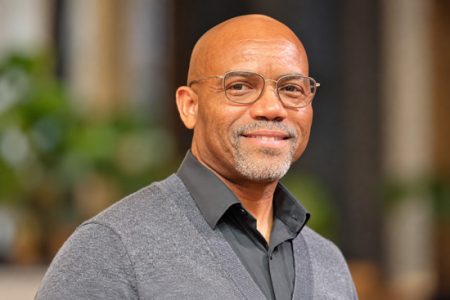
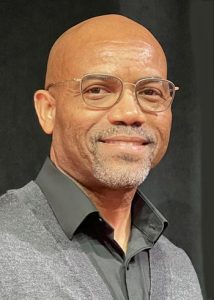
Otis T. Lindsey Jr. is the Founder and CEO of LINDEX, LLC, a civic intelligence and community analytics firm focused on measuring community vitality and transforming data into actionable insights. He holds degrees in Economics and Community Economic Development and has spent more than 25 years working in housing, economic development, and community revitalization.
He is the creator of the Vitality Ecosystem Theory (VET) and the Vitality Ecosystem Index (VEI), frameworks designed to help communities measure, mobilize, and transform local assets. Through the Culture Fragments™ series, he explores the people, places, and institutions that shape community identity and opportunity. Visit www.lindex.ai.