Improve Democracy: Expand the House
Rebalancing representation for a growing nation.
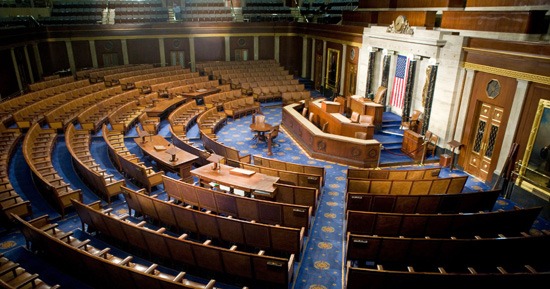
The House of Representatives was built to grow alongside the country.
In the earliest years of the republic, each member spoke for a district of about thirty‑eight thousand people. That scale made it easier for communities to feel seen, and it matched the founders’ belief that representation should rise as the population rose. The census was meant to guide that growth, helping Congress adjust the size of the House so it stayed connected to the people it served.
Over time, the nation expanded, but the House did not. Today, each member represents roughly twenty times as many people as a representative did at the founding. That distance is felt in everyday life. It shows up when residents struggle to get help from an office that serves hundreds of thousands of constituents. It shows up when communities with distinct needs are folded into districts too large to reflect their character. And it shows up when people feel that government is something happening far away, rather than something they can shape.
The current size of the House—435 members—was not chosen because it was the right number. It was chosen because Congress, facing a political stalemate in the 1920s, needed a quick fix. After failing to reapportion seats following the 1920 census, lawmakers settled on keeping the existing count, which was based on the population in 1913. Ending the disagreement mattered more to them at the time than finding a number that matched the country’s growth or honored the original vision of responsive representation.
What many people don’t realize is that Congress can change this. Expanding the House does not require a constitutional amendment or approval from the states. The number 435 is simply written into federal law, and Congress has the power to revise it the same way it revises any statute. Lawmakers increased the size of the House many times before 1929, and they can do so again.
A larger House would not solve every challenge facing our democracy, but it would bring representation closer to the scale the founders imagined. It would make districts smaller and more manageable, which could directly address gerrymandering issues.
By making districts smaller, the opportunity for extreme manipulation of district boundaries is reduced. Communities would have a better chance to elect people who understand their lives. And it would help restore a sense of connection between residents and the institution meant to speak on their behalf.
At its heart, expanding the House is about strengthening the relationship between people and their government. It is about recognizing that a growing nation deserves a representative body that grows with it. And it is about making sure every community—large or small, rural or urban, long‑established or newly arrived—has a voice that can be heard.
If Congress chooses to act, it can bring the House closer to the people again. That choice would honor both the country we are and the country we continue to become.
For more information, please visit www.projectnocap.com.