NC NAACP to Cooper: Further Extend Utilities Moratorium

By Cash Michaels –
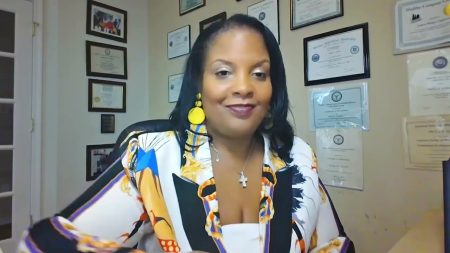
Poor and low-income North Carolinians are still at risk of having their electricity and water cut off in the midst of the COVID-19 pandemic, says NC NAACP President Rev. Dr. T. Anthony Spearman.
This week he again asked Gov. Roy Cooper to “…protect those low-income households most at risk of losing essential utility services.”
In an August 29th letter to the governor, Dr. Spearman warns that an earlier executive order protecting those least able to pay for those utility services is running out.
“Over a million residential households that owed well over $200 million in unpaid utility bills as of the end of July are now at risk,” Dr. Spearman wrote. “This is over double the number of households that were unable to pay their rent bills … at the end of May. And this number far exceeds the money currently available for utility bill payment assistance. We must do more,” Spearman writes.
The NC NAACP leader maintains that despite previous executive orders from the governor seeking to help the situation for those who can’t afford to pay their outstanding utility bills, “… many households will nevertheless be unable to afford their past-due utility bills and will face disconnection even as the summer heat continues. Without access to electricity for air conditioning … [or] access to clean running water … many will be at a health risk,” he writes. “This utility affordability crisis is not felt evenly across our communities. It disproportionately impacts low-wealth households, the elderly, and Black and Brown families.”
He called on Cooper to issue a new Executive Order to protect those low-income households most at-risk of losing essential utility services. “The North Carolina State conference of the NAACP supports the ‘Income qualified shutoff moratorium and repayment plan’ replacing [previous executive orders] that was submitted to your office last week. This [is a] targeted measure to protect those who have been thrown into financial turmoil because of the pandemic. This new order should also require the reconnection of those eligible households who were previously disconnected for nonpayment.”
Dr. Spearman called for the proposed new executive order to remain in effect beyond the end of the state of emergency, so as “…to make sure that households have time to get back on their feet before facing risk of losing essential utility service.”