Roe Votes NO?
by Ford Mauldin
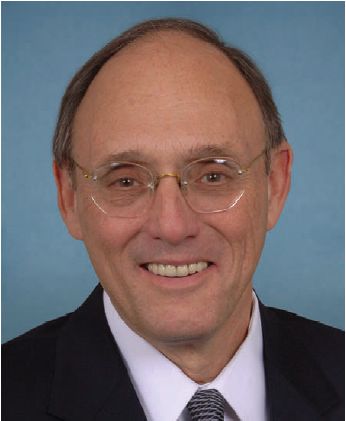 |
| Phil Roe, U.S. Representative and former Johnson City mayor. |
U.S. Representative and former Johnson City mayor Phil Roe, a physician, joined 177 other Republicans in voting against the healthcare reform bill. The first district of Tennessee, which Roe represents, has a high rate of uninsured, and the majority of the district would have benefited from tax rebates contained in the bill.
Roe explains his vote by saying the bill does nothing to lower the
cost of health care. He went on to say that he came to Congress to help
enact healthcare reform, thus begging the question: If Roe wants
healthcare reform and puts the health and well-being of his constituency
over special interests, why would he vote against a bill that will add
more than three million healthcare jobs in the nation, and thousands of
jobs in a region that relies heavily on the healthcare industry?
Why would Roe vote against a bill that says insurers could not
deny coverage of a child for any pre-existing medical condition through
age 19, end pre-existing restrictions for adults, close the prescription
donut hole for seniors, allow young adults to stay on their parents’
plans to age 26, and give tax credits to those who make under $70,000 a
year to help pay for their health insurance?
As analyzed by the nonpartisan Congressional Budget Office, the
bill will also cut over a trillion dollars from federal budget over the
next two decades.
Finally, why would Representative Roe, who represents a district
that contains so many students and colleges, vote against a bill that
bypasses the middleman to make student loans directly to
students—helping students financially and saving $68 billion in bank
fees, much of which will be returned to the higher education system?
Why?